When to Start Planting Vegetables: A Beginner's Guide
Not sure when to plant your vegetable garden? Learn how to use frost dates, seed packets, and simple timing tips to start planting with confidence.

One of the most common questions new gardeners ask is simple but important: when can I actually start planting my vegetables? The answer depends on a few things — where you live, what you want to grow, and whether you're starting seeds indoors or putting plants straight into the ground. This guide walks you through the basics so you can make a confident plan, even if this is your very first garden.
Start with your last frost date
Your last expected frost date is the single most useful piece of information you can have as a vegetable gardener. A frost — any temperature at or below 32°F (0°C) — can kill tender seedlings overnight, so most warm-season vegetables should not go outside until after that date has passed. Cold-season crops are more forgiving, but even they have limits.
To find your last frost date, search for your zip code or city on the USDA Plant Hardiness Zone Map, or check with your local cooperative extension service. Once you have that date, you can count backward to figure out when to start seeds indoors and count forward to know when it is safe to transplant outside. Write it down somewhere you will actually see it.
Cold-season versus warm-season vegetables
Not all vegetables want the same weather, and understanding this one distinction will save you a lot of frustration. Cold-season crops thrive in cool temperatures — roughly 45°F to 65°F (7°C to 18°C) — and can handle a light frost. Warm-season crops need consistent warmth both in the air and in the soil, typically at least 60°F (15°C) soil temperature before they will grow well.
- Cold-season vegetables (plant 4–6 weeks before last frost): lettuce, spinach, kale, radishes, peas, carrots, broccoli, cabbage
- Warm-season vegetables (plant after last frost): tomatoes, peppers, cucumbers, zucchini, beans, basil, squash, corn
If you are working with a small space or containers, focusing on a mix of both types means you can get something growing earlier in spring and keep harvesting deeper into fall. If you are just getting started with the basics of setting up a growing space, the post How to Start a Vegetable Garden (A Beginner's Guide) covers the foundational steps clearly.
Starting seeds indoors: a general timing guide
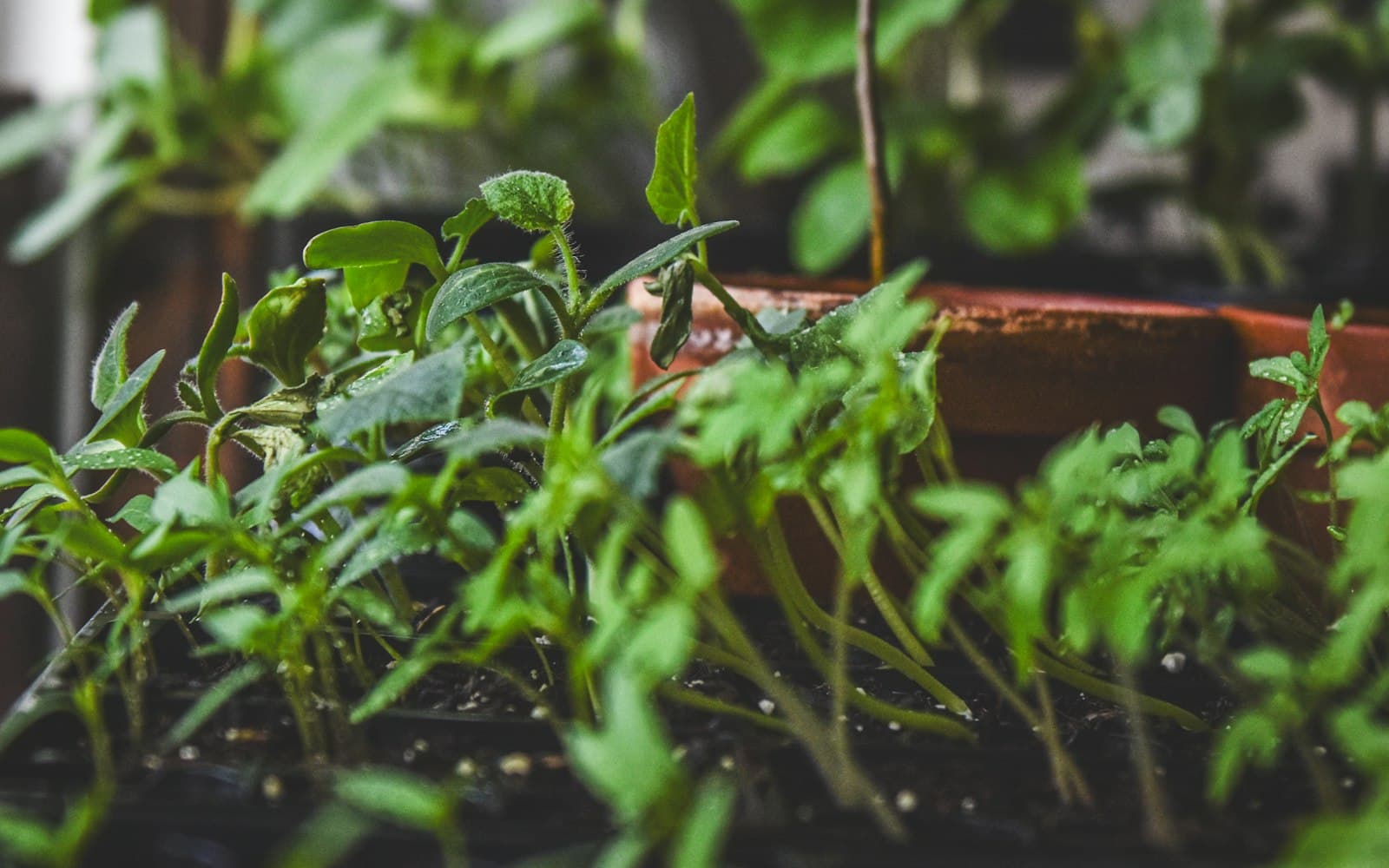
Starting seeds indoors gives you a head start on the growing season, especially for slow-maturing crops like tomatoes and peppers that need 6 to 10 weeks of indoor growth before they are ready to go outside. The key is not starting too early — leggy, overgrown seedlings that have been sitting under lights for too long can actually struggle more than seeds started right on schedule.
The table below shows approximate indoor start times relative to your last frost date for common vegetables.
| Vegetable | Weeks before last frost to start indoors | Spacing at transplant |
|---|---|---|
| Tomatoes | 6–8 weeks | 18–36 inches apart |
| Peppers | 8–10 weeks | 12–18 inches apart |
| Broccoli | 4–6 weeks | 18 inches apart |
| Lettuce | 4–6 weeks | 6–8 inches apart |
| Cucumbers | 3–4 weeks | 12 inches apart (trellis) |
| Zucchini | 2–3 weeks | 24–36 inches apart |
Some vegetables — radishes, carrots, beans, and peas among them — do not transplant well and should be direct sown straight into the ground or your container at the appropriate time. Trying to start them in pots first usually causes more problems than it solves.
Direct sowing outdoors
Direct sowing means placing seeds straight into the soil where they will grow. It is simpler than starting indoors and works well for many vegetables. The main thing to check before you sow is soil temperature, not just air temperature. Cold soil slows germination dramatically and can cause seeds to rot before they sprout.
Peas and spinach can germinate in soil as cool as 40°F (4°C), making them good candidates for very early spring planting — sometimes 4 to 6 weeks before your last frost date. Beans, on the other hand, prefer soil at least 60°F (15°C) and will sit dormant or rot in cold ground. A simple soil thermometer costs a few dollars and takes the guesswork out of timing.
Small spaces and containers change the timeline slightly
If you are growing in containers on a balcony, patio, or windowsill, you have a small advantage: containers warm up faster than in-ground soil in spring. You can often plant a week or two earlier than the ground-based guidelines suggest, though you should still be cautious about frost for tender crops. Containers also dry out faster, so daily checking during warm weather is important.
Compact and dwarf varieties of vegetables are worth seeking out specifically for small-space growing. Bush beans instead of pole beans, patio tomatoes instead of indeterminate varieties, and cut-and-come-again lettuce instead of full heads will all serve you better in tight quarters. For more on this approach, Container Gardening 101: Grow Food in Small Spaces goes into practical detail on choosing the right containers and soil mixes.
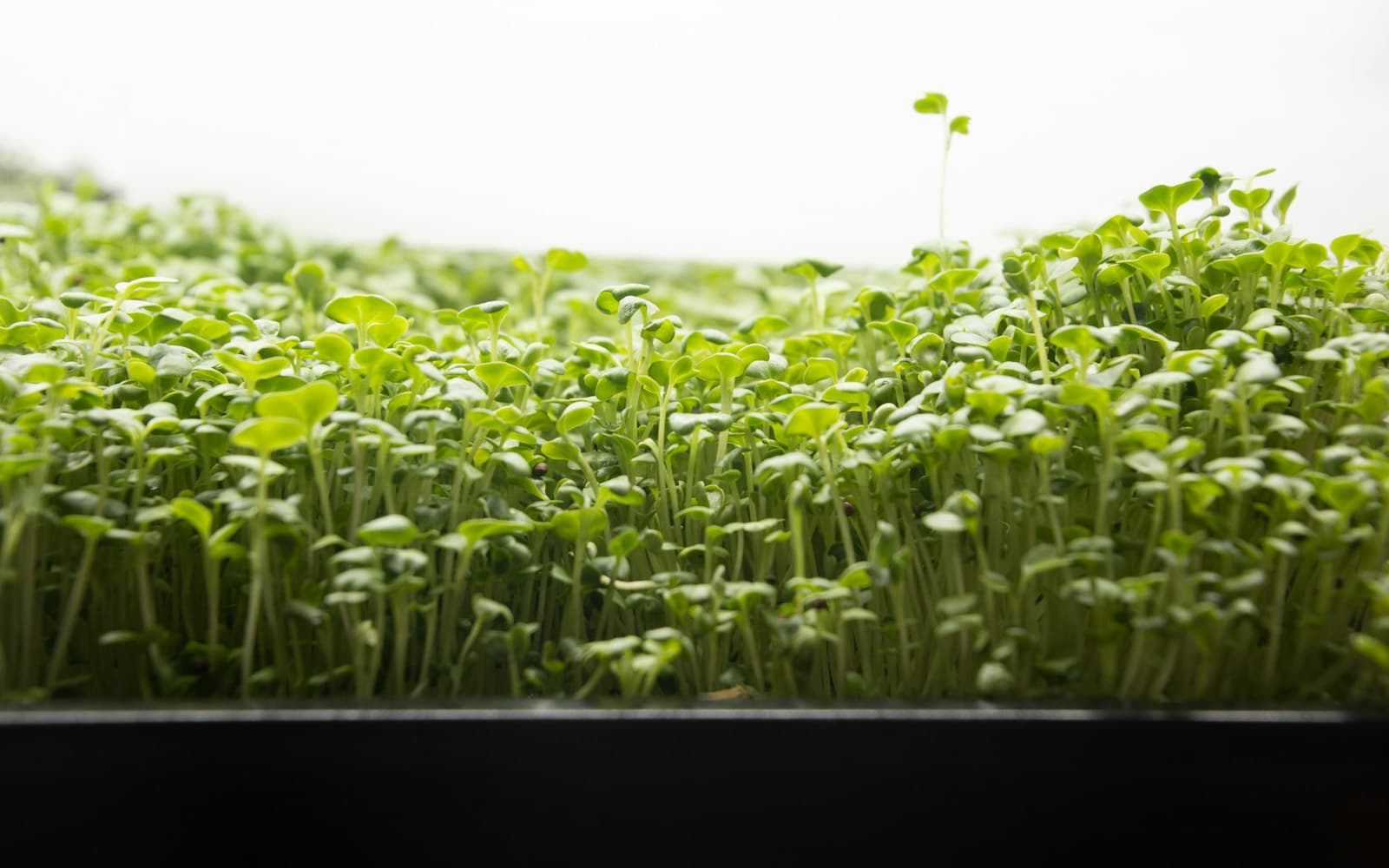
If you want to grow something with almost no waiting time at all — harvests in as little as 7 to 14 days — microgreens are worth a look. They require no outdoor space and no frost date calculations. How to Grow Microgreens at Home (Step-by-Step for Beginners) walks through exactly how to get started with just a tray and some seeds.
Keeping track of your planting schedule
It is easy to hold a planting schedule in your head when you are growing two or three things. Once you add a few more crops with different indoor start dates, direct sow windows, and transplant times, a simple tracker makes a real difference. If you would find it helpful to have a ready-made tool for this, our Seed-Starting Tracker is a printable that lets you fill in your last frost date and map out exactly when to start each crop. It is a quiet way to stay organized without relying on memory when things get busy in spring.
Frequently asked questions
Can I plant vegetables before the last frost date?
Yes, but only cold-season crops that can tolerate frost. Vegetables like kale, spinach, peas, and radishes can be planted outdoors several weeks before your last expected frost date. Warm-season crops like tomatoes, peppers, and cucumbers should wait until after frost risk has passed, or they need frost protection such as row covers or cold frames.
What happens if I plant too early?
Planting warm-season vegetables too early — when soil and air temperatures are still cold — typically results in slow or failed germination, stunted seedlings, or frost damage that kills the plant outright. Even if a seedling survives a cold snap, a plant that goes through early stress often produces less than one planted at the right time. Patience in spring usually pays off.
Do I need to harden off seedlings before transplanting?
Yes, hardening off is an important step that new gardeners sometimes skip. Seedlings grown indoors are not used to wind, direct sunlight, or temperature swings. Before transplanting, set them outside in a sheltered spot for a few hours each day, gradually increasing their outdoor time over 7 to 10 days. This reduces transplant shock and gives plants a much better start.
How do I know if my soil is warm enough to plant?
The most reliable way is to use a soil thermometer, inserted about 2 to 3 inches into the ground. Check it in the morning, when soil is at its coolest. As a general rule, 50°F (10°C) works for cool-season crops, while most warm-season vegetables want at least 60°F (15°C). If you do not have a thermometer, planting a few weeks after your last frost date is a reasonable shortcut for most warm-season crops.
Share this article