Container Gardening 101: Grow Food in Small Spaces
No yard? Grow vegetables and herbs in pots. How to choose containers, soil, and crops, plus the watering tricks that make container gardens thrive.

You don't need a yard to grow real food. A sunny balcony, a fire escape, a porch, or a single bright windowsill is enough to grow tomatoes, peppers, herbs, lettuce, and more — in pots. Container gardening is the most beginner-friendly way to start, and it's the heart of what "Miniature Harvest" is about: big harvests from small spaces.
Why containers are great for beginners
- You control the soil — fill every pot with a good mix, no digging or amending bad ground.
- Fewer weeds and pests than in-ground beds.
- You can chase the sun — move pots to the brightest spot, or indoors when it's cold.
- It scales to your space — start with one pot, add more as you go.
Choosing containers
The number-one rule: bigger is easier. Small pots dry out fast and cramp roots. Match the pot to the crop:
| Crop | Minimum pot size |
|---|---|
| Herbs, lettuce, green onions | 6–8 inches deep |
| Peppers, bush beans, chard | 2–3 gallons |
| Tomatoes, zucchini | 5+ gallons |
Whatever you use — terracotta, plastic, fabric grow bags, or a repurposed bucket — it must have drainage holes. No drainage means soggy roots and dead plants. Drill some if needed.
The right soil
Never fill containers with garden dirt — it compacts and drains poorly in pots. Use a quality potting mix (often labeled "potting soil" or "container mix"), ideally blended with some compost for nutrition. It's light, holds moisture, and drains freely.
Watering — the make-or-break skill
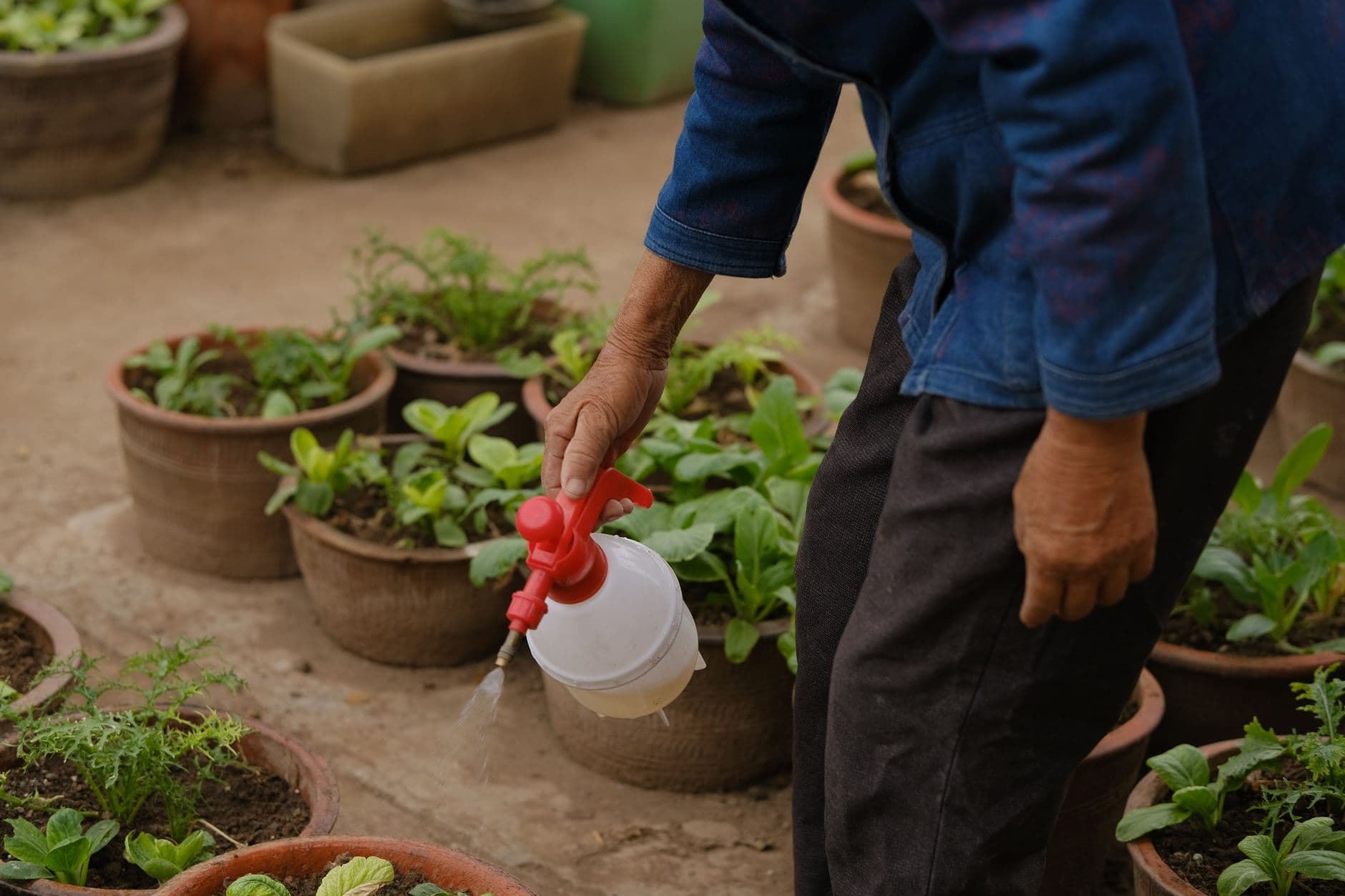
Containers dry out much faster than the ground, especially in summer. This is the number-one reason container gardens fail. Tips:
- Check daily in warm weather — stick a finger an inch into the soil; water when it's dry.
- Water until it runs out the drainage holes, so the whole root zone drinks.
- Bigger pots and grouping containers together reduce how fast they dry.
- A saucer underneath helps in heat (but empty it after rain so roots don't sit in water).
What to grow first
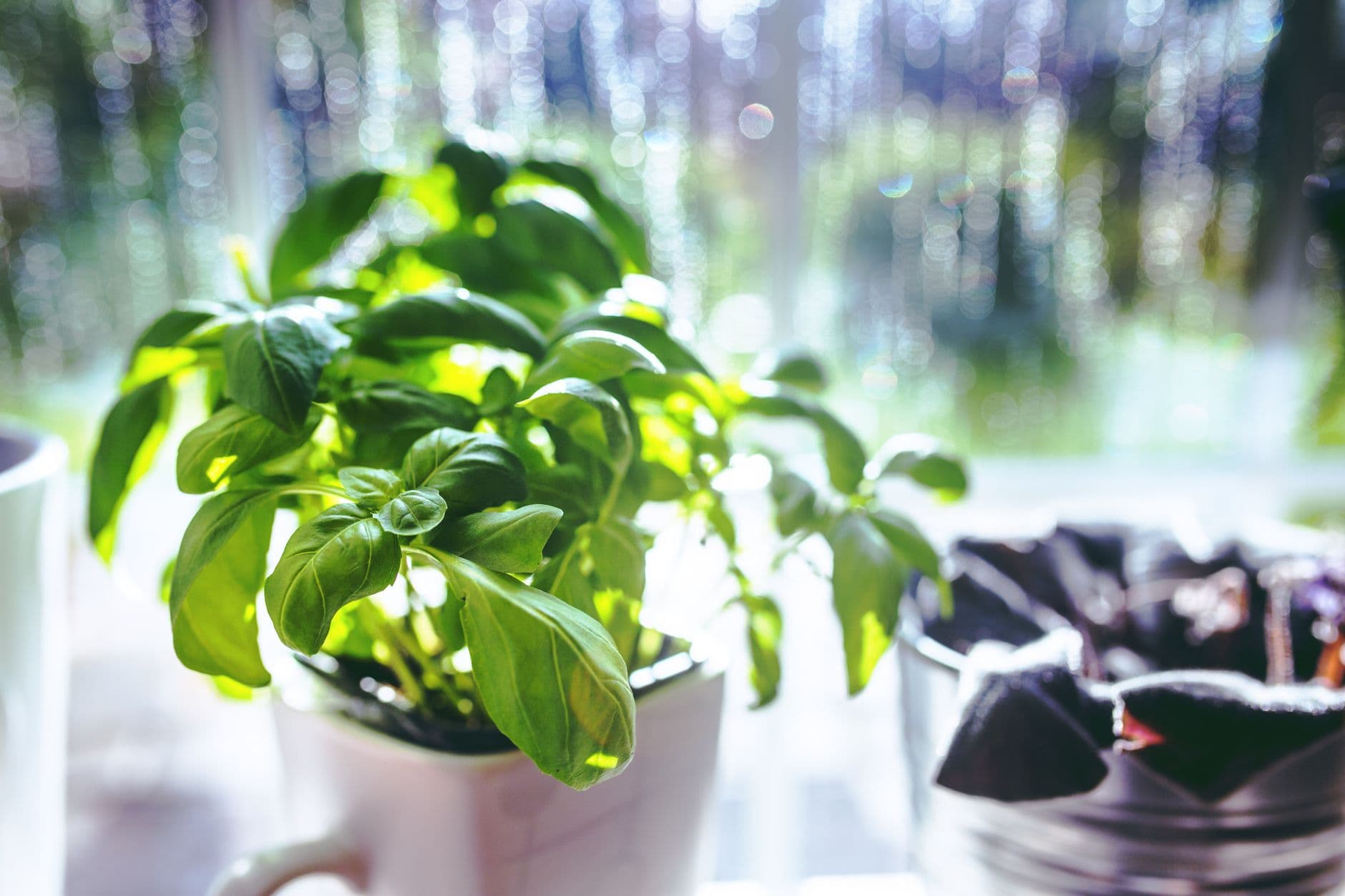
Start with herbs and lettuce (nearly foolproof), then add a cherry tomato and a pepper once you've got the watering rhythm. For the full beginner shortlist, see 10 easy vegetables to grow. And for the fastest possible win in the smallest possible space, a tray of microgreens on the windowsill is ready in about a week.
Feeding container plants
Because frequent watering flushes nutrients out of the pot, container plants get hungry. Mix a slow-release organic fertilizer into the soil at planting, and supplement hungry crops (like tomatoes) with a liquid feed every couple of weeks.
Frequently asked questions
Do containers need drainage holes?
Yes — always. Without them, water collects at the bottom and roots rot. Drill holes in anything that doesn't have them.
How often should I water containers?
Often daily in summer. Water deeply when the top inch of soil is dry, until it drains from the bottom. Bigger pots need it less often.
What grows best in pots for beginners?
Herbs, lettuce, green onions, peppers, and cherry tomatoes are the most reliable container crops.
Share this article