How to Start a Vegetable Garden (A Beginner's Guide)
Everything a first-timer needs to start a vegetable garden: picking a spot, sun, soil, what to plant, watering, and the beginner mistakes to skip.

Starting a vegetable garden comes down to five things: enough sun, decent soil, the right plants for your season, consistent water, and starting small. Get those right and vegetables mostly grow themselves. Here is how to go from bare ground (or an empty pot) to your first harvest, without the overwhelm.
Step 1 — Pick a sunny spot
This is the single biggest predictor of success. Most vegetables — tomatoes, peppers, beans, squash — need 6 to 8 hours of direct sun a day. Leafy greens and herbs can get by on 4 to 6. Watch your yard, balcony, or windowsill for a day and note where the sun actually lands. Pick the brightest spot you have; you can't out-fertilize a lack of light.
Step 2 — Choose your garden type
- In-ground beds — cheapest if you have decent soil and a yard.
- Raised beds — better drainage and control, easier on your back, and you fill them with good soil from the start. Great for beginners.
- Containers — perfect for patios, balconies, and renters. Almost anything will grow in a big enough pot. See container gardening 101.
Start with one small raised bed (a 4×4 foot is plenty) or a handful of containers. A garden you can keep up with beats a big one that overwhelms you by July.
Step 3 — Get the soil right
Plants eat from the soil, so this is where to spend your effort. For raised beds and containers, fill with a quality mix of compost and potting/garden soil — don't use plain dirt from the yard in containers. For in-ground beds, work two to three inches of compost into the top layer. Good soil is dark, crumbly, and drains well. If water pools on top or runs straight through, add compost.
Step 4 — Decide what to plant (and when)
Grow what you actually eat, and match it to your season. Cool weather (spring and fall) suits lettuce, spinach, kale, peas, and radishes. Warm weather (late spring through summer) suits tomatoes, peppers, beans, cucumbers, and squash. Your local frost dates tell you when to start — most warm-season crops go out only after the last spring frost. For a fail-proof first list, see 10 easy vegetables to grow.
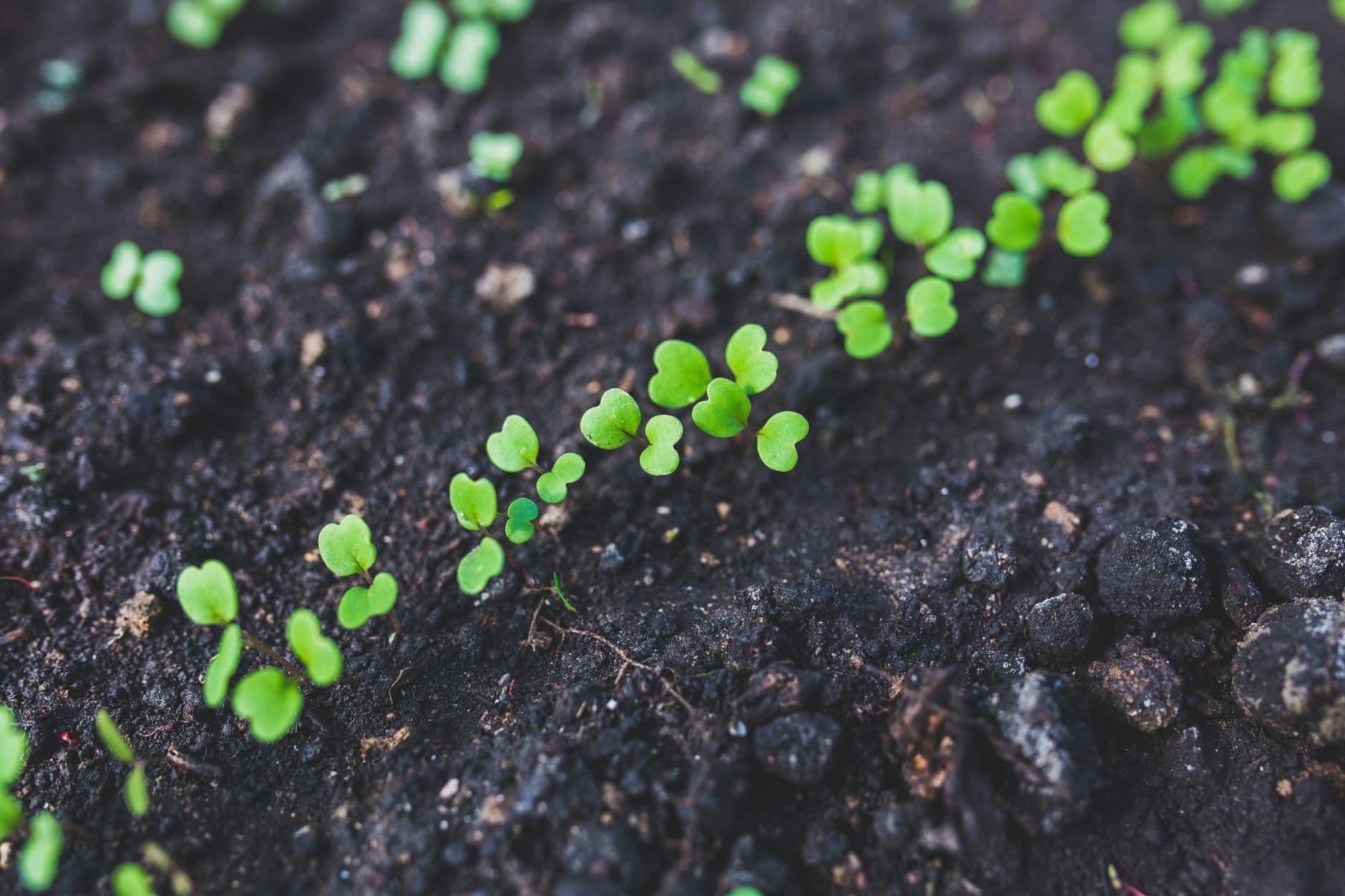
Want something growing this week while your garden gets going? Microgreens are ready in 1–2 weeks on a windowsill — instant momentum.
Step 5 — Plant, water, and mulch
Follow the spacing on the seed packet or plant tag — crowding is a top beginner mistake that invites disease and shrinks yields. Water deeply right after planting. Then add an inch or two of mulch (straw, shredded leaves, or bark) to lock in moisture and block weeds.
Step 6 — Keep it alive
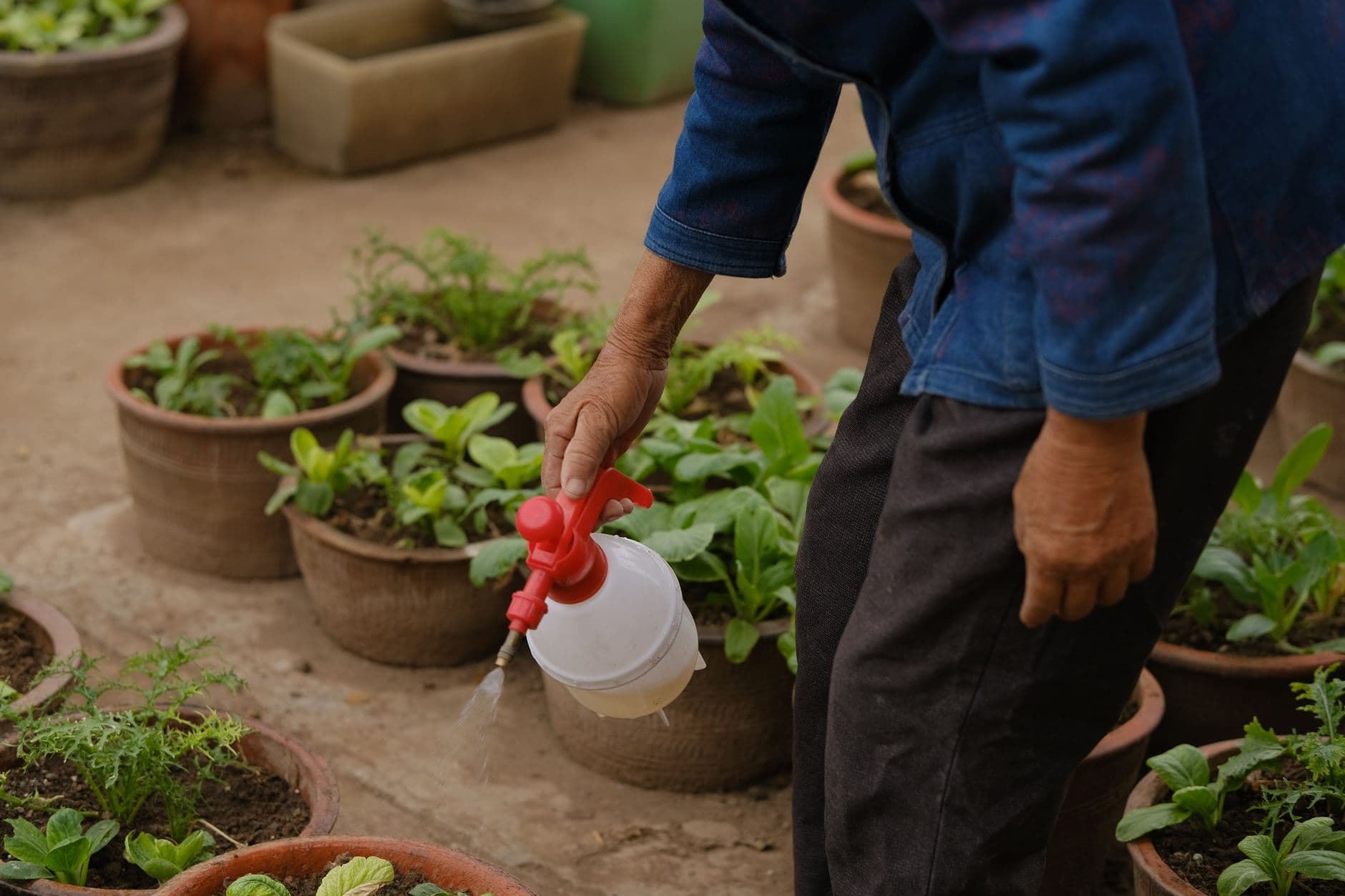
- Water consistently. Most gardens want about an inch of water a week. Deep, less-frequent watering beats a daily sprinkle. Stick a finger an inch into the soil — if it's dry, water.
- Feed lightly. Good soil carries you far; a balanced organic fertilizer every few weeks helps hungry crops like tomatoes.
- Visit daily. Two minutes a day to spot pests, pull a weed, or notice wilting prevents most disasters.
The five beginner mistakes to skip
- Too much shade. Be honest about your sun.
- Starting too big. One bed done well teaches you more than four neglected ones.
- Crowding plants. Respect the spacing.
- Inconsistent watering. The number-one killer of container vegetables.
- Planting at the wrong time. Cool crops in cool weather, warm crops after frost.
Frequently asked questions
What vegetables are easiest for beginners?
Lettuce, radishes, bush beans, cherry tomatoes, and zucchini are forgiving and productive. Full list in 10 easy vegetables to grow.
How much sun does a vegetable garden need?
Six to eight hours of direct sun for fruiting crops (tomatoes, peppers, squash); four to six is enough for leafy greens and herbs.
Can I start a vegetable garden without a yard?
Absolutely. Containers on a balcony or sunny windowsill grow tomatoes, peppers, herbs, lettuce, and more — see container gardening 101.
Share this article