How to Grow Microgreens at Home (Step-by-Step for Beginners)
A beginner-proof guide to growing microgreens on your windowsill: soil vs. mat, how to seed, the blackout step, watering, and avoiding mold.

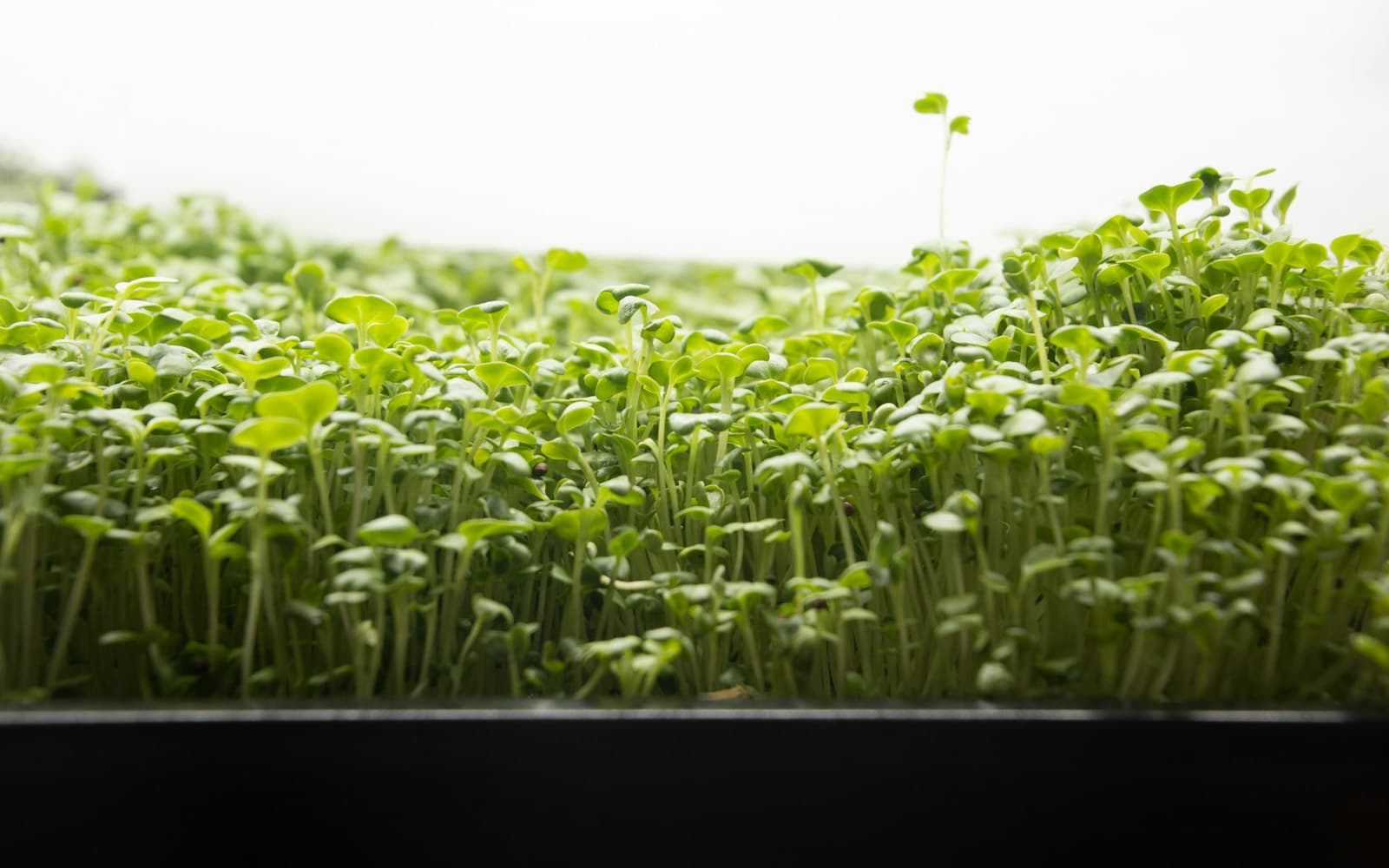
You can grow a tray of microgreens on a windowsill in about ten days, with no garden, no grow lights, and a setup that costs less than a takeout dinner. Here is the exact process — the same loop growers repeat thousands of times — broken down so your first tray works.
What you need
- A shallow tray (a 10×20 nursery tray, or even a clean takeout container with drainage holes)
- Microgreen seeds — start with radish, peas, or sunflower
- Potting mix, or a hemp/coconut growing mat
- A spray bottle and a second tray or lid to use as a cover
- A sunny window (south-facing is ideal)
Step 1 — Prep your tray
Fill the tray with about an inch of pre-moistened potting mix and level it gently — do not pack it down. If you are using a mat instead of soil, soak it and lay it flat. The surface should be damp, not soggy. Standing water is the number-one cause of mold.
Step 2 — Seed densely
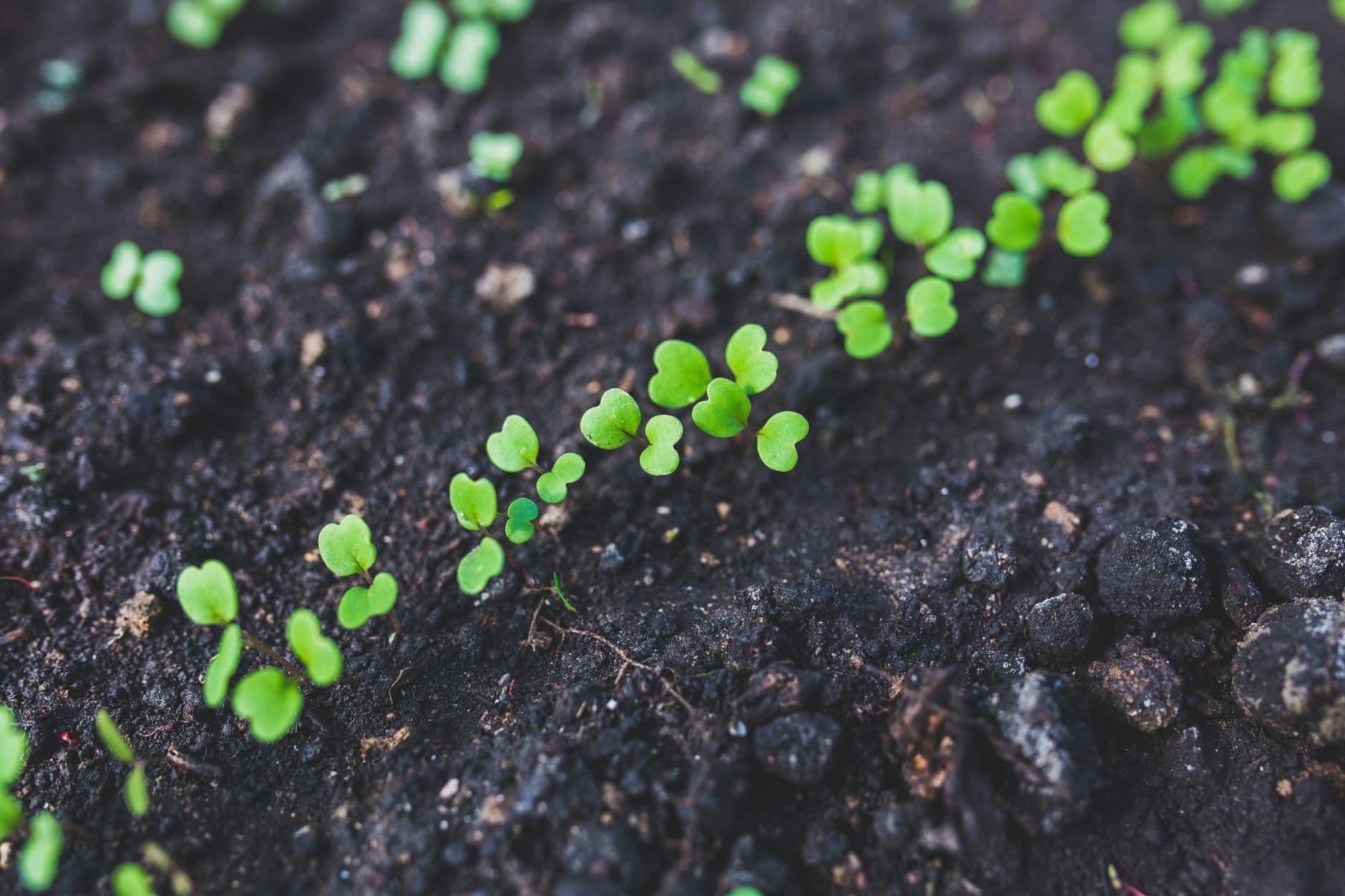
This is where beginners go wrong: they seed too thinly. Microgreens are grown shoulder-to-shoulder. Scatter seeds so they nearly cover the surface in a single layer — for radish, that is roughly 1–2 tablespoons per 10×20 tray. Mist the seeds, but do not bury them.
Step 3 — The blackout period
Cover the tray with a second tray or lid and leave it in the dark for 3–4 days. This "blackout" keeps humidity high and tricks the seedlings into stretching upward for light, giving you taller, more uniform stems. Mist once a day so it never dries out. You will see white, fuzzy roots — that is normal and is not mold (mold is grey/green and web-like; root hairs are white and disappear when misted).
Step 4 — Bring on the light
Once the seedlings have lifted the lid or stand about an inch tall, uncover them and move the tray to your sunny window. They will green up within hours. Rotate the tray daily so they grow straight instead of leaning toward the glass.
Step 5 — Water from the bottom
From here on, water from below: pour a little water into a tray underneath and let the soil drink it up for a few minutes, then pour off the excess. Bottom-watering keeps the leaves dry, which is the single best thing you can do to prevent mold. Aim for once a day.
Step 6 — Harvest
When the first true leaves appear — usually day 8–14 depending on variety — harvest by gathering a handful and snipping just above the soil line with clean scissors. Rinse, spin or pat dry, and they are ready. A tray will hold in the fridge for several days, but they are best the moment they are cut.
How to avoid the three common failures
- Mold: caused by overwatering, poor airflow, and over-seeding. Bottom-water, give them air, and do not pile seeds in clumps.
- Leggy, pale greens: not enough light after blackout. Get them to a brighter window or add a cheap LED grow light.
- Patchy germination: usually dry spots or old seed. Keep moisture even and buy fresh seed intended for microgreens.
What to grow next
Once you have a few successful trays, branch out into sunflower (hearty and nutty), broccoli (mild, nutrient-dense), or aromatic herbs like basil and cilantro. For variety pairings and difficulty ratings, see the complete microgreens guide. And when you are ready to eat the spoils, here are 15 ways to use them beyond garnish.
Frequently asked questions
How long do microgreens take to grow?
Most varieties are ready in 7–14 days. Radish and peas are on the fast end; basil and cilantro take longer.
Do microgreens regrow after cutting?
Most do not regrow meaningfully after harvest — peas are the exception and may give a smaller second cut. It is easiest to start a fresh tray, and staggering trays a few days apart gives you a continuous supply.
Can I grow microgreens without soil?
Yes. Hemp or coconut-fiber mats work well, stay tidy, and are great for kitchens. Soil tends to produce slightly more robust trays, especially for heavy seeds like sunflower.
Share this article