I Grew a Perfect Circle Shaped Strawberry 🍓
Discover how one home gardener accidentally grew a perfectly round circle-shaped strawberry and what it means for your beginner garden this season.

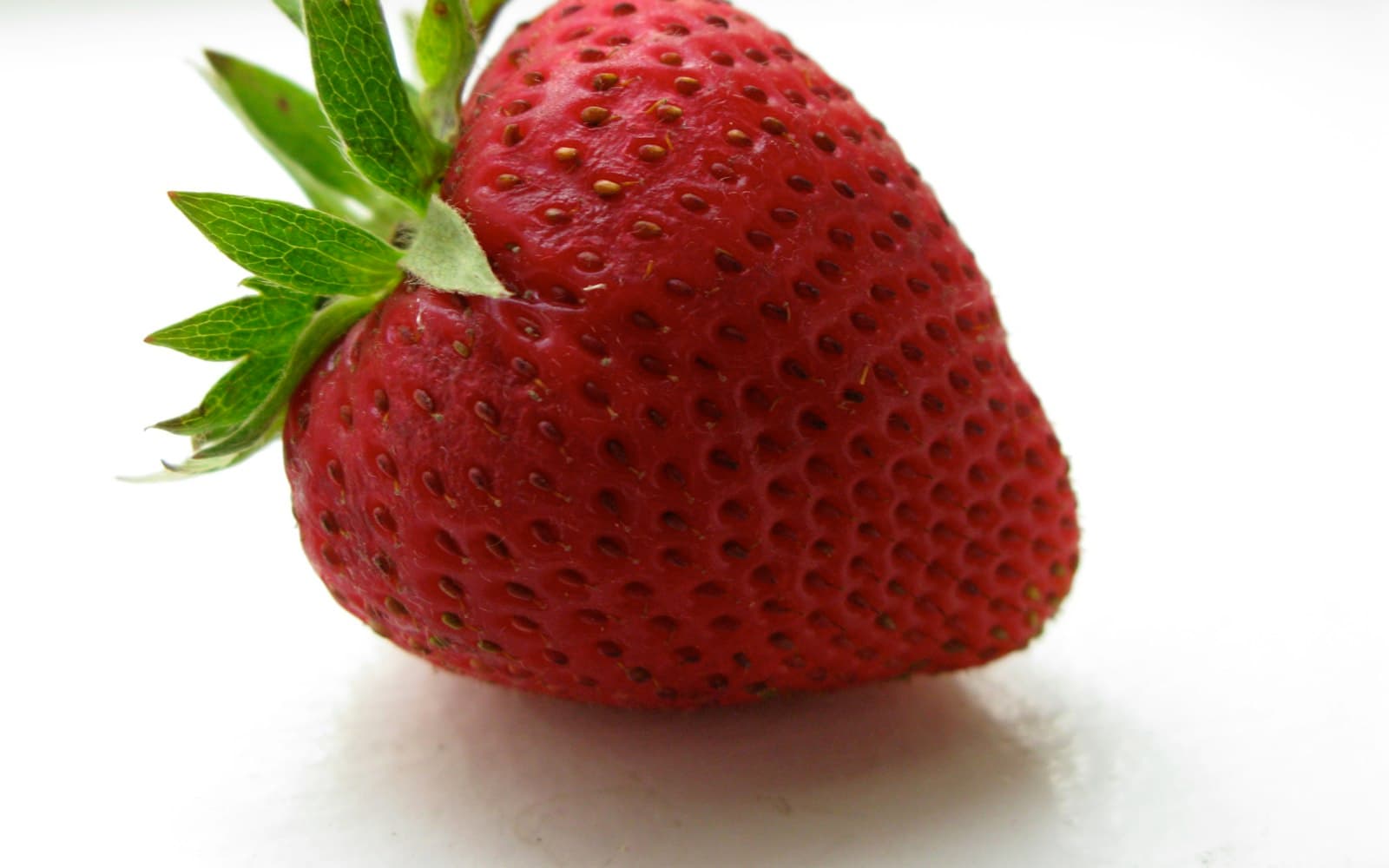
Last summer I found a strawberry in my garden that stopped me mid-step. It was almost perfectly round — not the classic elongated heart shape I expected, but a smooth, compact little sphere sitting quietly among the runners. I picked it, turned it over a few times, and then ate it right there in the garden. It tasted exactly like a strawberry should. That one small fruit sent me down a rabbit hole of reading about what actually shapes a strawberry, and I want to share what I learned with you.
If you are growing strawberries for the first time or working with a small raised bed or container, this post will walk you through the variety choices, growing conditions, and the real reasons berry shape varies — including why a round strawberry is not a flaw at all.
Why Strawberry Shape Varies (And What Affects It)
Strawberry shape is determined by a combination of genetics, pollination quality, and growing conditions. Each strawberry is technically a fleshy receptacle covered in tiny true fruits called achenes — those little yellow-green dots on the outside. When every achene is pollinated evenly, the receptacle swells symmetrically in all directions. That is what produces a round or very uniform berry. When pollination is uneven, you get the lopsided, elongated, or pinched shapes that are common but perfectly edible.
Temperature during bloom matters a great deal. Blossoms that open during a cold snap — below about 32 degrees Fahrenheit at night — can suffer partial pollen damage, which leads to misshapen fruit. Warm, calm days with good bee activity during flowering tend to produce the most evenly shaped berries. My round strawberry likely came from a blossom that had near-perfect conditions: mild temperatures, multiple pollinator visits, and consistent soil moisture throughout the fruit development period.
Choosing a Variety That Suits a Small Space
Not all strawberry varieties behave the same way in a small garden. There are three main categories to know before you buy plants or seeds.
- June-bearing varieties produce one large flush of fruit in late spring or early summer. Examples include Earliglow, Honeoye, and Chandler. They tend to have excellent flavor and large berries but require more space and patience.
- Everbearing varieties produce two smaller harvests — one in early summer and one in early fall. Quinault and Ozark Beauty are common picks. These suit small beds well because you get staggered fruit without a single overwhelming harvest.
- Day-neutral varieties produce fruit continuously throughout the season as long as temperatures stay between roughly 35 and 85 degrees Fahrenheit. Seascape and Albion are reliable day-neutral options. These are excellent for containers and balcony gardens because you can harvest a few berries at a time over many weeks.
If you are just starting out with edible plants in a small space, strawberries pair beautifully with other compact growers. You might also enjoy reading about Container Gardening 101: Grow Food in Small Spaces for practical advice on soil depth, drainage, and pot sizing that applies directly to strawberry containers.
Planting Timing, Spacing, and Basic Setup
Strawberries are cool-season plants that establish best when planted in early spring, about two to four weeks before your last expected frost date. They can tolerate a light frost once established, but newly transplanted crowns should be protected if temperatures are expected to dip below 28 degrees Fahrenheit for more than a couple of hours.
| Setup type | Recommended spacing | Plants per square foot | Minimum container size |
|---|---|---|---|
| Ground bed (matted row) | 18 inches apart, rows 3-4 feet apart | 1 plant per 1.5 sq ft | N/A |
| Raised bed (hill system) | 12 inches apart in all directions | 1 plant per sq ft | N/A |
| Single container | 8-10 inches between plants | 3-5 plants per 12-inch pot | 12 inches wide, 8 inches deep |
| Hanging basket | 1-2 plants per basket | 1-2 plants | 14 inches diameter minimum |
Plant crowns at soil level — not buried and not sitting too high. The crown, which is the thick nub where leaves emerge, should sit right at the soil surface. Burying it causes rot; planting too shallow causes the roots to dry out. Water well after planting and keep the soil consistently moist but not waterlogged during the first two weeks.
Supporting Good Pollination for Better Shaped Fruit
Since pollination quality directly affects berry shape, there are a few simple things you can do to encourage it. First, avoid using broad-spectrum insecticides during flowering. Even products marketed as low-risk can deter or harm the bees and other small pollinators that visit strawberry blossoms. If you need to manage pests, do so in the evening after flowers have closed for the day.
Second, plant your strawberries somewhere with good air circulation and morning sun. Flowers that are damp for long periods are less accessible to pollinators. If you are growing indoors or on a covered balcony where bees cannot reach, you can hand-pollinate by gently moving a small dry paintbrush from flower to flower, transferring pollen between the yellow stamens. It is a slow process but genuinely works.
Third, remove the first flush of flowers from June-bearing plants during their first year. This feels counterintuitive, but it redirects the plant's energy into root development and leads to stronger, more productive plants the following season — with better shaped fruit as a result.
What I Did Differently That Season
Looking back at my garden notes from the season I grew that round strawberry, a few things stood out. I had mulched with straw about two inches deep, which kept soil temperature and moisture more consistent than in previous years. I had also skipped fertilizing with anything high in nitrogen after the plants started flowering — too much nitrogen at that stage pushes leafy growth at the expense of fruit development. I used a diluted balanced fertilizer early in the season and then switched to a low-nitrogen, higher-potassium feed once buds appeared.
I also happened to have a particularly good pollinator year. A neighbor planted borage nearby, and the garden was busier with bumblebees than I had ever seen. I cannot prove that caused my round berry, but the connection between pollinator activity and even fruit development is well documented. If you want to encourage more of this in your own garden, Cooking with Edible Flowers: A Beginner's Guide has some ideas for companion plants that attract pollinators and are useful in the kitchen too.
Keeping Track So You Can Repeat Your Success
One of the most useful habits I have built as a small-space gardener is writing things down. When something works — an unusual berry shape, a particularly productive week of harvests, a pest problem that resolved itself — I want to know what conditions were present so I can try to recreate them or avoid them. If you are just getting started and want a simple way to track your planting dates, frost windows, and harvest notes, the Seed-Starting Tracker is a printable I put together for exactly this kind of seasonal record-keeping. It is straightforward and designed for beginners who do not want to manage a complicated spreadsheet.
For a broader look at getting your first edible garden going, How to Start a Vegetable Garden (A Beginner's Guide) covers soil prep, layout, and timing in a way that complements everything covered here.
Frequently asked questions
Is a round strawberry a sign that something went wrong?
No. A round strawberry is typically a sign that pollination was very even and consistent across the fruit surface. It is a normal variation in shape, not a defect. The flavor and texture are not affected by the shape of the berry.
Can I grow strawberries from seed as a beginner?
You can, but it requires patience. Strawberry seeds need cold stratification — about four weeks in a damp paper towel inside a sealed bag in the refrigerator — before they will germinate reliably. Most beginners find it easier to start with bare-root plants or potted crowns from a nursery, which will produce fruit much faster in the first or second season.
How many strawberry plants do I need to get a meaningful harvest?
For a small household looking to harvest a handful of berries every few days throughout the season, six to ten day-neutral plants in a raised bed or containers is a reasonable starting point. June-bearing varieties will give you a larger single harvest from the same number of plants, but all at once rather than spread out over weeks.
Why are my strawberries small and pale even though the plant looks healthy?
Small, pale berries usually point to one of three causes: insufficient sunlight (strawberries need at least six hours of direct sun daily), overwatering or poor drainage, or too much nitrogen fertilizer encouraging leaf growth at the expense of fruit. Check those three factors first before assuming a disease or pest problem.
Share this article