Cooking with Edible Flowers: A Beginner's Guide
Which flowers are safe to eat, what they taste like, and how to use edible flowers in salads, desserts, and drinks — without the common mistakes.

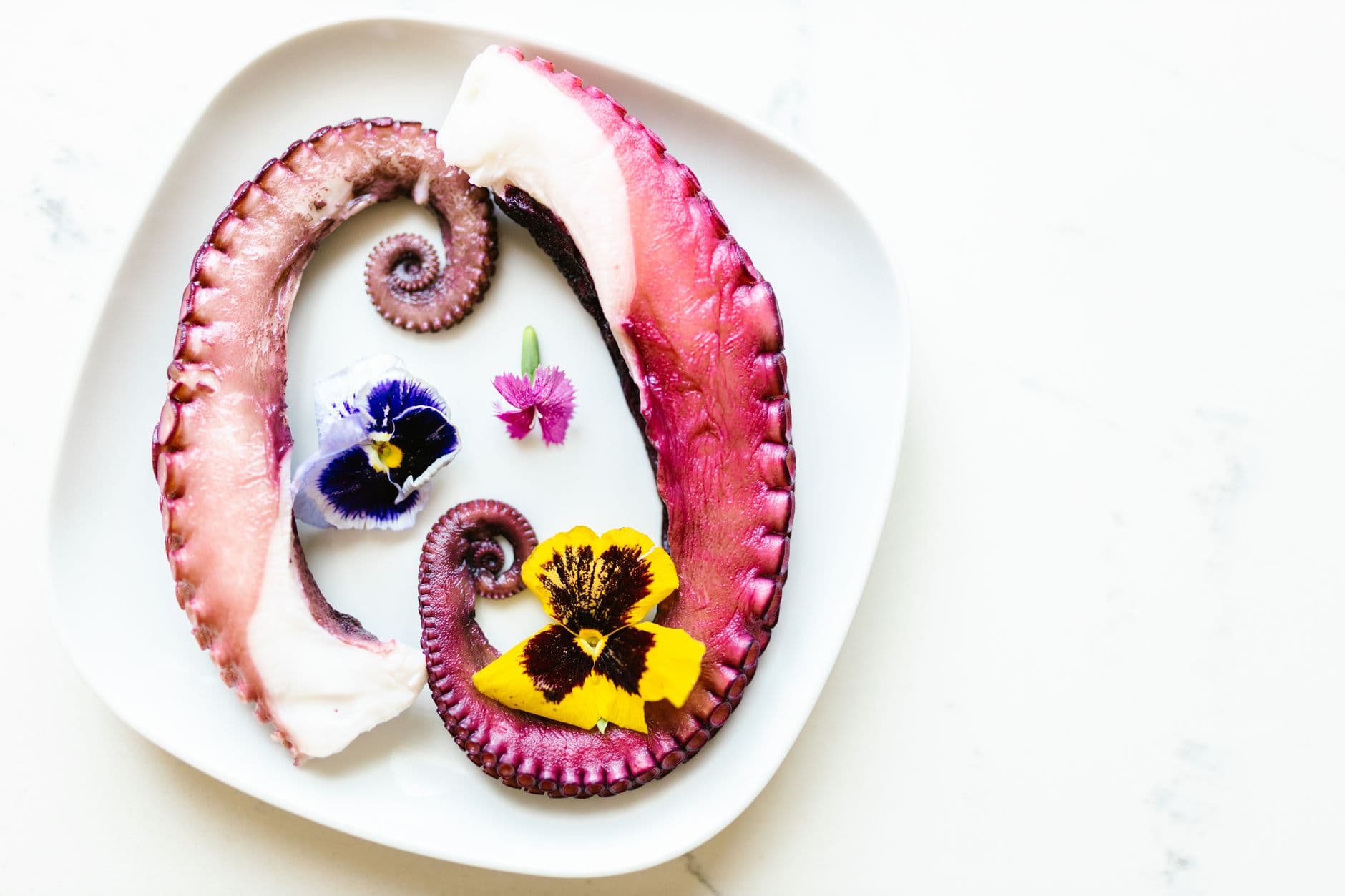
Edible flowers turn an ordinary plate into something that stops people mid-conversation. But they are also where home cooks make easy, avoidable mistakes — using the wrong bloom, or treating them as pure decoration when many of them genuinely taste like something. Here is how to use them well, and safely.
First rule: not every flower is food
This matters more than anything else in this guide. Only eat flowers you have positively identified as edible and that were grown without pesticides, specifically for eating. That rules out florist bouquets and roadside blooms — both are typically treated with chemicals. When in doubt, leave it out.
A safe starter list (and what they taste like)
| Flower | Flavor | Best for |
|---|---|---|
| Nasturtium | Peppery, like watercress | Salads, savory plates |
| Pansy / viola | Mild, grassy, slightly sweet | Cakes, salads, garnish |
| Borage | Cool, cucumber-like | Drinks, salads |
| Calendula | Mildly peppery, saffron-ish color | Rice, butters, eggs |
| Chive blossom | Gentle onion | Savory dishes, vinegars |
| Rose (unsprayed) | Floral, sweet | Desserts, syrups |
| Squash blossom | Mild, vegetal | Stuffed and fried |
How to prep edible flowers
- Harvest or buy fresh, ideally the morning you will use them. They wilt fast.
- Rinse gently in cool water and let them dry on a paper towel. A quick check for tiny insects is worth it.
- Remove the bitter parts. For larger flowers, the pistil, stamen, and white heel at the base of petals can be bitter — pull the petals and use those.
- Store between damp paper towels in an airtight container in the fridge for a day or two at most.
Ways to use them
- Salads: nasturtium and viola scattered through greens add color and a peppery or sweet note.
- Desserts: press pansies into buttercream, or set them in shortbread before baking.
- Drinks: freeze borage or violas into ice cubes; float a blossom in a spritz.
- Savory cooking: stuff squash blossoms with ricotta and fry; stir chive blossoms into soft cheese.
- Sugared flowers: brush petals with egg white, dust with fine sugar, and dry for an elegant cake topper.
Pair them with microgreens
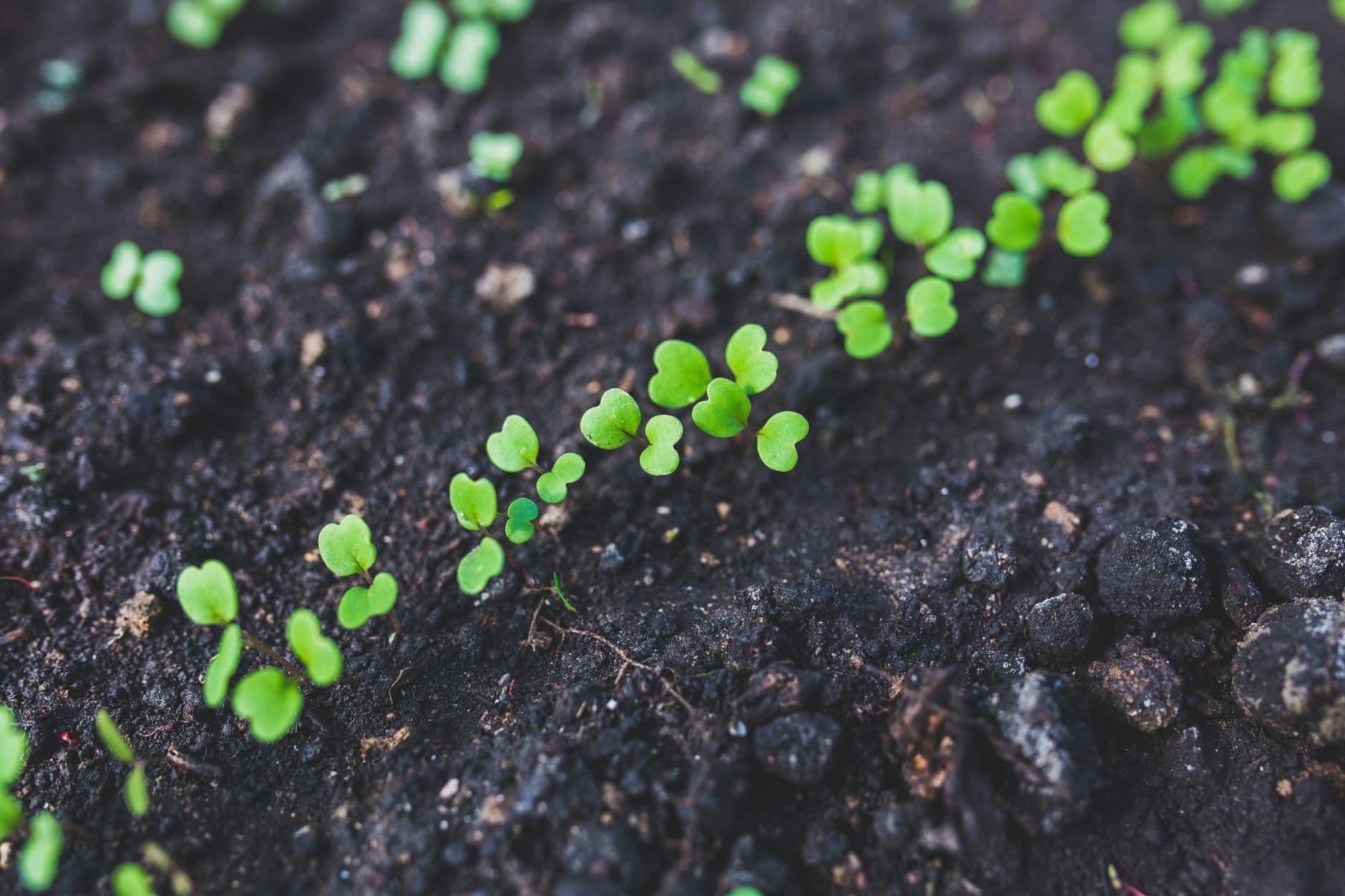
Edible flowers and microgreens are natural partners on the plate — the flower brings color, the greens bring flavor and texture. A scatter of radish microgreens and a few nasturtium blooms turns a simple dish into something that looks composed. If you are building a "garden on the plate," read 15 ways to use microgreens next, or the full microgreens guide.
Chefs source flowers and greens grown specifically for eating — cut fresh, pesticide-free, and handled gently. That is the category growers like Miniature Harvest specialize in, and it is the standard worth copying at home: eat only what was grown to be eaten.
Frequently asked questions
Are all flowers from the garden safe to eat?
No. Many common garden and ornamental flowers are toxic. Only eat flowers you have positively identified as edible and that were grown without pesticides.
Do edible flowers actually have flavor?
Some do, strongly — nasturtium is peppery, borage is cucumber-cool, chive blossoms taste of onion. Others, like violas, are mild and mostly add color. Taste one before you build a dish around it.
Where do I buy edible flowers?
Look for flowers explicitly sold as edible from a grocer, farmers market, or specialty grower — never a florist. Freshness matters as much as it does with herbs.
Share this article