No Space? Try Vertical Gardening for Tiny Yards
Short on space? Discover how vertical gardening lets beginners grow more food in less room using walls, fences, and simple DIY structures.

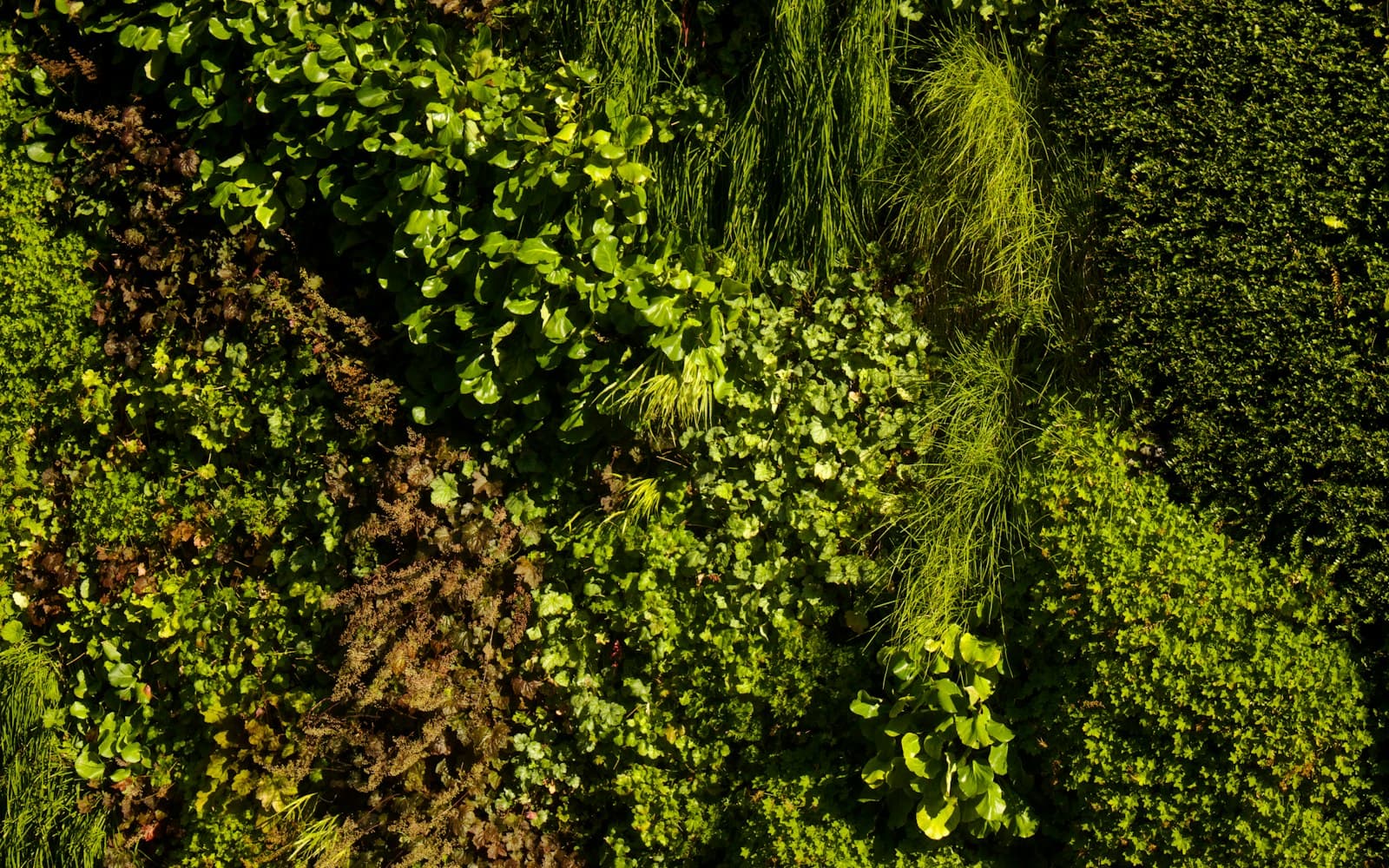
If your outdoor space is more "postage stamp" than "back forty," vertical gardening might be the approach that finally makes growing your own food feel possible. Instead of spreading plants across the ground, you train them upward — using fences, trellises, towers, and wall-mounted planters to stack your garden rather than sprawl it. It takes a little planning up front, but once you understand which plants naturally want to climb and how to support them, a small yard or even a narrow balcony can produce a surprising amount of food.
Why vertical gardening works so well in small spaces
The basic logic is simple: a six-foot trellis panel takes up about one square foot of ground space but gives you six vertical feet of growing surface. That same footprint planted flat might fit two or three lettuce heads. Trained up a support, it could hold a dozen pole bean plants or a full run of cucumbers — all without crowding out your patio furniture or your kids' play area.
There is also a practical growing benefit beyond space. Improved air circulation around foliage reduces the humidity that encourages fungal diseases like powdery mildew. Fruit that hangs freely rather than resting on soil is less prone to rot. And harvesting becomes easier when you are not crouching to find beans hiding under leaves at ground level.
If you are still figuring out the basics of working with a small outdoor area, Container Gardening 101: Grow Food in Small Spaces covers the foundational decisions — soil, drainage, and pot sizing — that apply whether you are going vertical or not.
Which plants are good candidates for vertical growing
Not every vegetable wants to climb. Sprawling plants like pumpkins can be trained up a strong trellis with some extra support for the fruit, but compact bush varieties are usually a better fit for small spaces. The easiest starting point is plants that already produce tendrils or twining stems — they will grab onto a support naturally with very little help from you.
- Pole beans — Sow seeds 4 to 6 inches apart along a trellis after your last frost date; most varieties reach 5 to 6 feet and produce for 6 to 8 weeks.
- Cucumbers — Space transplants or direct-sown seeds 12 inches apart; train the main stem upward and pinch side shoots to keep things manageable.
- Peas (climbing varieties) — These prefer cool weather; sow 2 to 3 inches apart as soon as soil reaches 45°F, typically 4 to 6 weeks before your last frost date.
- Indeterminate tomatoes — Need a sturdy cage or stake at least 5 feet tall; space plants 24 inches apart minimum for good airflow.
- Nasturtiums and climbing edible flowers — Lower-maintenance and cheerful; for ideas on what to do with the blooms, see Cooking with Edible Flowers: A Beginner's Guide.
- Miniature squash (like 'Patio Star' or 'Bush Baby') — Can be trained up a strong trellis if fruit is supported with a mesh sling as it develops.
If you want a broader list of straightforward crops before committing to vertical structures, 10 Easy Vegetables to Grow for Beginners is a good place to start your shortlist.
Choosing and building your support structure
Your support only needs to do two things: stay upright under the weight of a mature plant and give stems or tendrils something to grip. For lightweight crops like peas or beans, a simple A-frame of bamboo poles lashed together at the top works perfectly and costs almost nothing. For heavier crops like tomatoes or cucumbers, you want something anchored more firmly — a wooden or metal trellis panel fixed to a fence, or heavy-gauge wire strung between sturdy posts.
Cattle panels (the welded wire grid panels sold at farm supply stores, roughly 16 feet long by 4 feet tall) are a favorite among small-space growers because they are rigid, last for years, and can be bent into an arch over a raised bed to create a tunnel that doubles your planting surface. A single arch over a 4-by-8-foot bed gives you the bed floor plus both curved sides for climbing crops.
Wall-mounted pocket planters and stacked tower systems work well for herbs, lettuces, and strawberries — plants that do not need vertical climbing room but benefit from being lifted off the ground. Keep in mind that these containers dry out faster than ground-level beds, so daily checking in hot weather is realistic, not excessive.
Spacing and timing at a glance
The table below summarizes the most common vertical crops and their key numbers. These are general guidelines; always check your seed packet for the specific variety you are growing, and confirm your local last frost date before starting warm-season crops outdoors.
| Crop | Spacing (in-row) | Support height needed | When to sow/transplant |
|---|---|---|---|
| Pole beans | 4 to 6 inches | 5 to 6 feet | After last frost, soil above 60°F |
| Climbing peas | 2 to 3 inches | 4 to 6 feet | 4 to 6 weeks before last frost |
| Cucumbers | 12 inches | 5 to 6 feet | 1 to 2 weeks after last frost |
| Indeterminate tomatoes | 24 inches | 5 to 7 feet | 2 weeks after last frost |
| Nasturtiums (climbing) | 8 to 10 inches | 3 to 4 feet | After last frost |
Soil, watering, and feeding in a vertical setup
Vertical beds and wall planters have less soil volume than in-ground rows, which means nutrients deplete faster and moisture swings are more dramatic. Use a good-quality potting mix rather than garden soil in containers — garden soil compacts in pots and restricts drainage. For raised beds and in-ground trellised rows, work in a few inches of compost before planting.
Water deeply and less frequently rather than a quick splash every day. For containers, water until it drains freely from the bottom. In warm weather, check soil moisture every morning by pressing a finger an inch into the mix. If it feels dry at that depth, water. A layer of mulch at the base of in-ground plants helps hold moisture and keeps soil temperatures steadier.
A balanced slow-release fertilizer worked into the soil at planting covers most crops for several weeks. For container plants producing fruit (tomatoes, cucumbers, beans), a liquid feed every two to three weeks once flowering begins helps maintain production without overloading the plant. Follow label rates — more fertilizer does not mean more food, and excess nitrogen tends to push leafy growth at the expense of fruit.
Planning your layout before you plant
One of the most common small-space mistakes is placing tall vertical structures where they will cast shade over shorter crops for most of the day. In the Northern Hemisphere, a north-south orientation for your trellis minimizes shading. If that is not possible, place your tallest structures on the north side of your growing area so shade falls away from your other beds rather than over them.
Sketching your layout on paper before buying materials saves real money and frustration. If you want a head start, the Raised Bed Layout Templates include vertical garden configurations alongside standard bed plans, which can be handy when you are trying to figure out where a trellis fits relative to your existing beds or containers. It is not essential, but having a visual to work from makes the planning step much faster.
Frequently asked questions
Can I do vertical gardening on a balcony or rented patio?
Yes, with a few adjustments. Freestanding A-frame trellises and tower planters do not require attaching anything to walls or fences, which matters in rentals. Keep weight limits in mind for balconies — large containers filled with wet soil are heavier than they look, so check your building's load guidelines if you are unsure. Lightweight potting mixes and smaller containers help manage this.
How do I keep a tall trellis from blowing over?
The most reliable fix is to anchor it to something solid — a fence post, a deck railing, or a heavy raised bed frame. If you are using a freestanding structure, drive the legs at least 12 inches into the ground and consider staking guy-wires from the top corners if you are in a consistently windy spot. Checking the structure after any significant storm and re-tensioning ties takes only a few minutes and prevents a lot of damage.
Do I need to start seeds indoors for vertical crops?
It depends on the crop and your climate. Beans and peas prefer to be sown directly in the garden — they do not transplant well because they dislike root disturbance. Tomatoes and cucumbers benefit from being started indoors 4 to 6 weeks before your last frost date in most regions, then hardened off gradually before going outside. If you are new to seed starting, How to Start a Vegetable Garden (A Beginner's Guide) walks through the decision of starting indoors versus direct sowing in plain terms.
What is the smallest space where vertical gardening is worth doing?
A strip as narrow as 12 to 18 inches wide and 6 feet long can support a productive trellis of pole beans or peas. Even a single 5-gallon bucket with a bamboo teepee can yield a useful harvest of climbing beans through a season. The honest answer is that almost any space with at least 6 hours of direct sun per day is worth trying — the investment in a basic trellis is low, and the worst outcome is a quiet season where you learn what works better next time.
Share this article