Growing Fruits and Veggies Together in Small Spaces
Learn how to grow fruits and vegetables side by side at home. Easy companion planting tips for beginner gardeners with limited space.

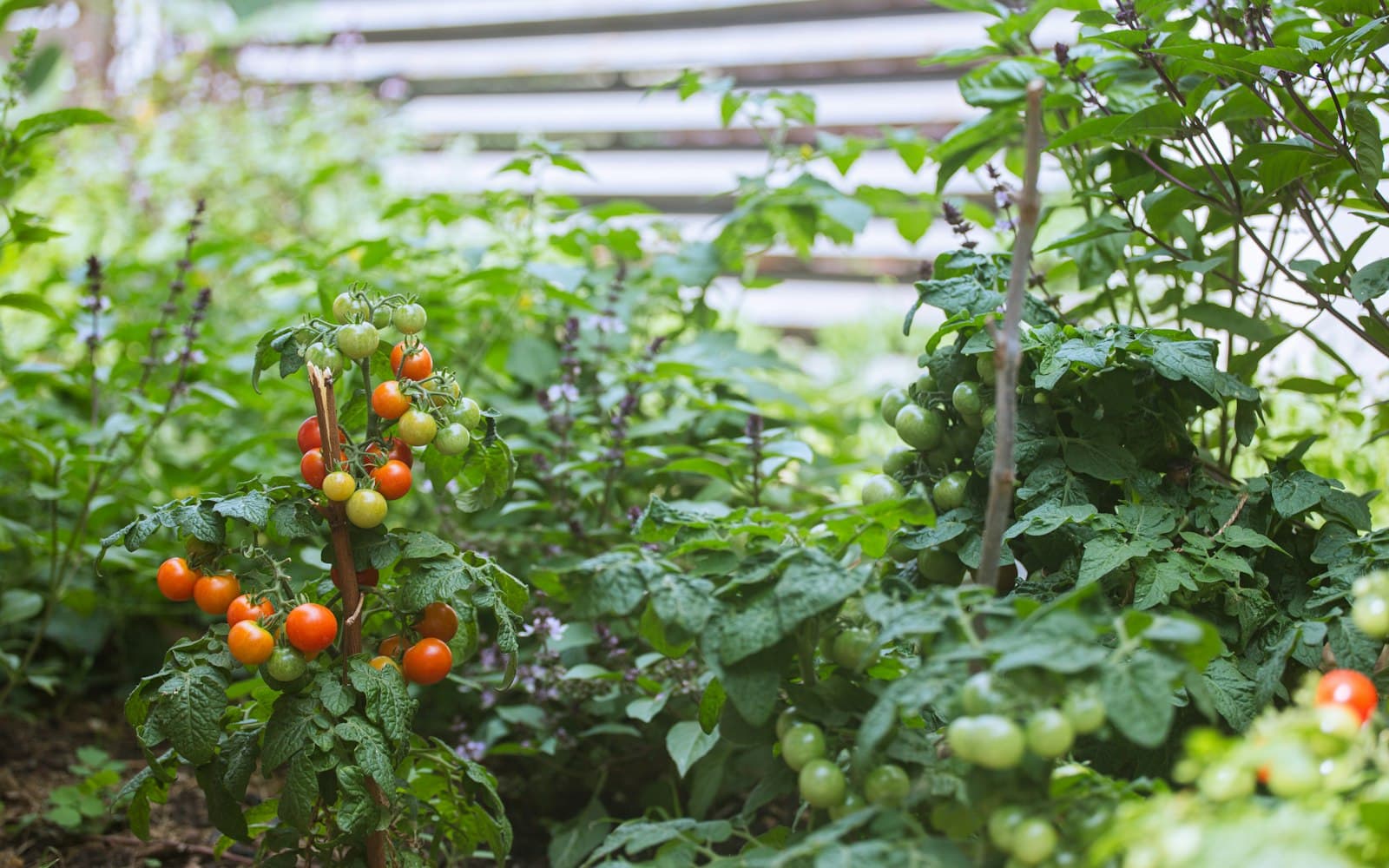
If you have a small patio, a few raised beds, or even just a sunny windowsill, you can grow both fruits and vegetables side by side without things getting crowded or competitive. Growing them together is not complicated, but it does help to know a few basics about spacing, timing, and which plants genuinely get along. This guide walks you through exactly that, in plain language, so you can get started with confidence.
Why grow fruits and vegetables in the same space?
The short answer is that it is practical. When you combine fruits and vegetables in one bed or container setup, you use every inch of available light and soil. Taller fruiting plants like dwarf tomatoes or compact blueberry bushes can shade cool-season vegetables like lettuce and spinach during the hottest part of summer, which actually helps those greens last a little longer before bolting. Meanwhile, low-growing herbs and vegetables fill in the space around fruit plants, reducing bare soil where weeds would otherwise take hold.
There is also a pollination benefit worth mentioning. Many fruiting vegetables, like squash and cucumbers, rely on pollinators visiting the flowers. Mixing in flowering vegetables or even edible flowers nearby tends to bring more bees and other beneficial insects into your growing area. If you are curious about adding flowers to your edible garden, Cooking with Edible Flowers: A Beginner's Guide is a helpful place to start.
Choosing the right fruits for small spaces
Not every fruit plant suits a small garden, but plenty do. The key is choosing varieties that have been specifically bred for compact growing. Standard apple trees, for example, can reach 20 feet tall and wide, which is not realistic for most home growers. But a columnar apple or a patio peach tree in a large container is a different story entirely.
Here are some fruits that work well in small or shared garden spaces:
- Strawberries — Plant 12 inches apart in beds or use hanging baskets; they fruit in their first or second year and spread happily between other plants.
- Dwarf blueberries (such as Northsky or Top Hat) — Grow well in containers at least 18 inches wide and deep; need acidic soil with a pH of 4.5 to 5.5.
- Columnar apple trees — Can be grown in a 15-gallon container or a 2-foot-wide bed space; need a pollinator partner within about 50 feet.
- Patio peach or nectarine trees — Stay under 5 feet tall; do well in 15 to 20-gallon containers with full sun.
- Alpine strawberries — Very compact, about 6 to 8 inches tall; tuck them along bed edges without crowding your vegetables.
Vegetables that pair well with fruit plants
Most annual vegetables grow quickly enough that they can share space with slower-maturing fruit plants without causing problems. The trick is matching light and water needs. Fruiting vegetables like tomatoes and peppers want full sun, just like most fruit trees and bushes, so they tend to coexist well. Leafy greens prefer a bit more shade and cooler temperatures, making them good understory plants beneath taller fruit plants.
If you are just getting started with vegetables, 10 Easy Vegetables to Grow for Beginners gives a solid overview of low-maintenance options that will not overwhelm your first season.
Spacing and timing: a practical reference
One of the most common mistakes beginners make is planting too close together. Plants need room to breathe, and crowding leads to poor air circulation, which increases the risk of fungal disease. Use this table as a starting point for planning a mixed fruit and vegetable bed.
| Plant | Spacing in bed | Weeks before last frost to plant out | Notes |
|---|---|---|---|
| Strawberries | 12 inches apart | 2 to 4 weeks before last frost | Tolerate light frost; plant crowns at soil level |
| Dwarf blueberry (container) | 1 per 18-inch pot | After last frost; establish in spring | Needs acidic soil; buy two different varieties for best fruiting |
| Bush tomatoes (patio type) | 18 to 24 inches apart | Plant out 1 to 2 weeks after last frost | Frost-sensitive; harden off seedlings first |
| Lettuce or spinach | 6 to 8 inches apart | 4 to 6 weeks before last frost | Grows well in partial shade under taller plants |
| Bush beans | 4 to 6 inches apart | 1 to 2 weeks after last frost | Direct sow; do not transplant well |
| Alpine strawberries | 8 inches apart | After last frost; or start indoors 8 to 10 weeks before | Shade-tolerant; good along bed edges |
If you are working with containers rather than ground beds, Container Gardening 101: Grow Food in Small Spaces covers the essentials of pot sizing, drainage, and soil mix in more detail.
What to avoid planting near each other
Not every combination works. Some plants compete for the same nutrients, release compounds that slow a neighbor's growth, or simply need such different conditions that putting them together makes maintenance harder. Here are a few combinations to avoid in a small mixed garden:
- Fennel near almost everything — Fennel releases chemicals from its roots that inhibit the growth of many vegetables and fruits nearby. It is best grown in its own pot or a separate spot entirely.
- Strawberries near brassicas — Cabbage, broccoli, and kale can suppress strawberry growth when planted close together.
- Blueberries near vegetables that need neutral pH — Blueberries acidify the soil around them. Most vegetables prefer a pH of 6.0 to 7.0, so keep blueberries in their own container rather than a shared bed.
- Tall corn near low-growing fruits — Corn casts dense shade and is a heavy feeder; it tends to crowd out everything around it in a small space.
A simple plan to get started this season
You do not need to redesign your whole garden at once. A good starting point is one raised bed or three to four large containers arranged together. Try one compact fruit plant, like a patio strawberry planter or a dwarf blueberry in its own pot, combined with two or three vegetable crops that suit your current season. In spring, that might mean strawberries, lettuce, and spinach. In summer, swap the greens for bush tomatoes and basil once temperatures are reliably above 50 degrees Fahrenheit at night.
Keep a simple log of what you plant, when you plant it, and how it performs. That record will be more useful than any advice next year, because it reflects your specific microclimate, your soil, and your light conditions. Gardening is genuinely a learn-by-doing process, and a small mixed bed is one of the friendliest ways to begin. For a broader introduction to getting a vegetable garden off the ground, How to Start a Vegetable Garden (A Beginner's Guide) covers the foundational steps in a clear, approachable way.
If you would like a visual reference for which plants support each other and which to keep apart, the Free Companion Planting Chart is a printable you can pin up in your garden space. It covers common fruit and vegetable combinations and is designed to be useful at a glance when you are planning a new bed or filling in gaps.
Frequently asked questions
Can I grow strawberries and tomatoes in the same raised bed?
Yes, with some care around spacing. Both plants like full sun and consistent moisture, so their basic needs align. Keep tomatoes at least 18 to 24 inches from strawberry plants so the tomatoes do not shade them out completely. Strawberries spread by runners, so you may need to redirect or trim runners to keep them from creeping into the tomato root zone as the season progresses.
How do I know when my area's last frost date is?
Your local cooperative extension service is the most reliable source. In the United States, the USDA Plant Hardiness Zone Map gives a general sense of your climate, but your county extension office will have specific average last frost dates for your area. You can also search online using your zip code and the phrase "average last frost date" to find a reasonable estimate. Keep in mind these are averages, not guarantees, so watch the forecast in the weeks around that date.
Do fruit plants and vegetables need different fertilizers?
They can have different needs at different times. Leafy vegetables benefit from higher nitrogen early in the season to support leaf growth. Fruiting plants, including tomatoes, peppers, and fruit trees, generally do better with lower nitrogen and higher phosphorus and potassium once they start flowering, since too much nitrogen at that stage encourages leafy growth at the expense of fruit. A balanced slow-release granular fertilizer at planting, followed by a lower-nitrogen liquid feed during flowering, is a reasonable approach for a mixed bed. Always follow the application rates on the product label.
What if I only have a balcony with no ground soil at all?
A balcony setup works well for many of the plants in this guide. Strawberries, dwarf blueberries, bush tomatoes, lettuce, and herbs all grow successfully in containers. The main considerations are pot size, weight, and drainage. Most balconies have weight limits, so check with your building if you plan to use many large containers or heavy ceramic pots. Lightweight plastic or fabric grow bags are a practical solution. Make sure every container has drainage holes and use a good-quality potting mix rather than garden soil, which compacts in containers and drains poorly.
Share this article