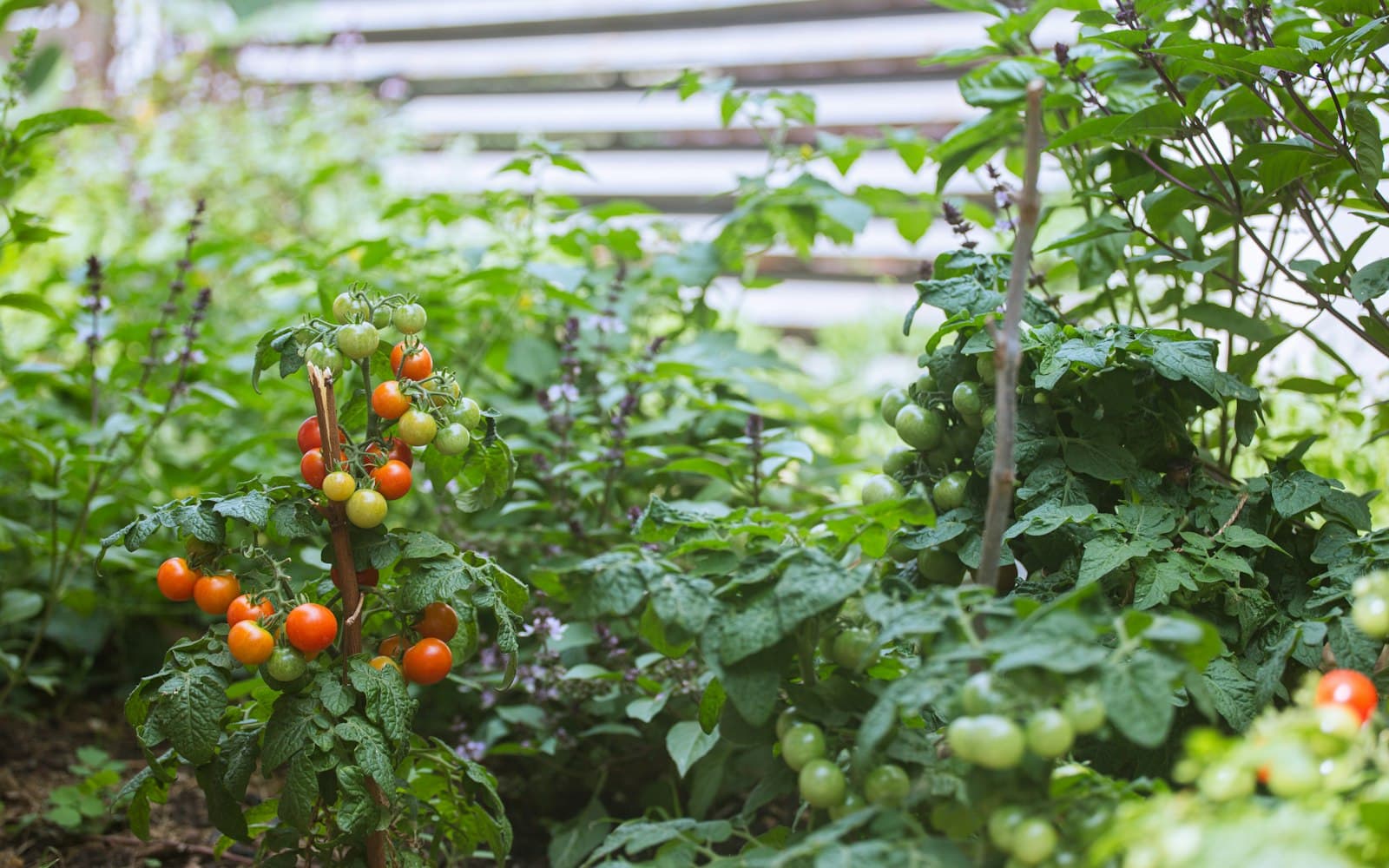
Can You Grow Tomatoes, Peppers and Cucumbers Together?
Find out if tomatoes, peppers, and cucumbers can share a garden bed. Learn spacing, companion planting tips, and beginner mistakes to avoid.

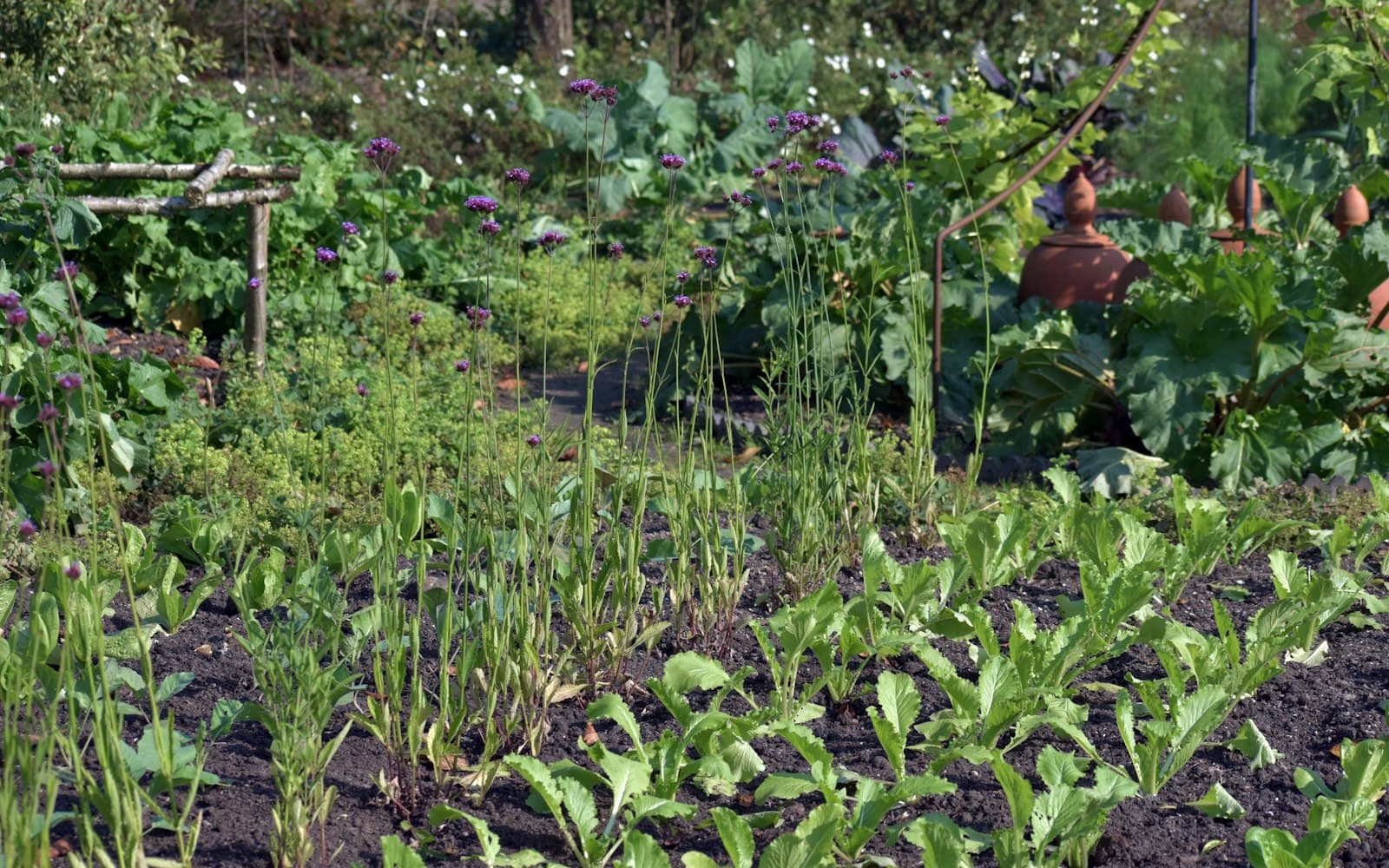
If you are planning your first vegetable garden and wondering whether tomatoes, peppers, and cucumbers can share the same space, the short answer is yes — with a little planning. These three crops are warm-season favorites that thrive under similar conditions, which makes them natural candidates for a shared bed or a cluster of containers. Understanding their individual needs before you plant will save you a lot of troubleshooting later in the season.
What tomatoes, peppers, and cucumbers have in common
All three are warm-season crops that need frost-free conditions to survive. None of them tolerate a freeze, and all three grow best when daytime temperatures are consistently between 65°F and 85°F (18°C to 29°C). They each need full sun — at least six to eight hours of direct sunlight per day — and they all prefer well-draining soil that has been amended with compost. These shared preferences are exactly why many small-space gardeners choose to group them together. You water with a similar schedule, fertilize at roughly similar intervals, and you are not trying to balance the needs of a cold-tolerant crop next to a heat-loving one.
There is one meaningful difference to keep in mind: cucumbers are vining plants that spread outward or climb upward, while tomatoes and peppers grow as upright bushes or tall single stems. Accounting for that growth habit when you lay out your bed will prevent the cucumbers from smothering their neighbors.
Spacing requirements and timing
Getting the spacing right is the most practical step you can take to keep all three crops healthy. Crowded plants compete for light and airflow, which encourages fungal disease. Use the table below as a starting reference for in-ground beds and large containers.
| Crop | In-ground spacing | Minimum container size | Days to first harvest |
|---|---|---|---|
| Tomato (determinate) | 18–24 inches apart | 5 gallons per plant | 60–80 days from transplant |
| Tomato (indeterminate) | 24–36 inches apart | 10–15 gallons per plant | 70–85 days from transplant |
| Pepper (sweet or hot) | 12–18 inches apart | 3–5 gallons per plant | 60–90 days from transplant |
| Cucumber (bush variety) | 12–18 inches apart | 5 gallons per plant | 50–70 days from direct sow |
| Cucumber (vining variety) | 12 inches apart on a trellis | 5 gallons per plant with support | 55–70 days from direct sow |
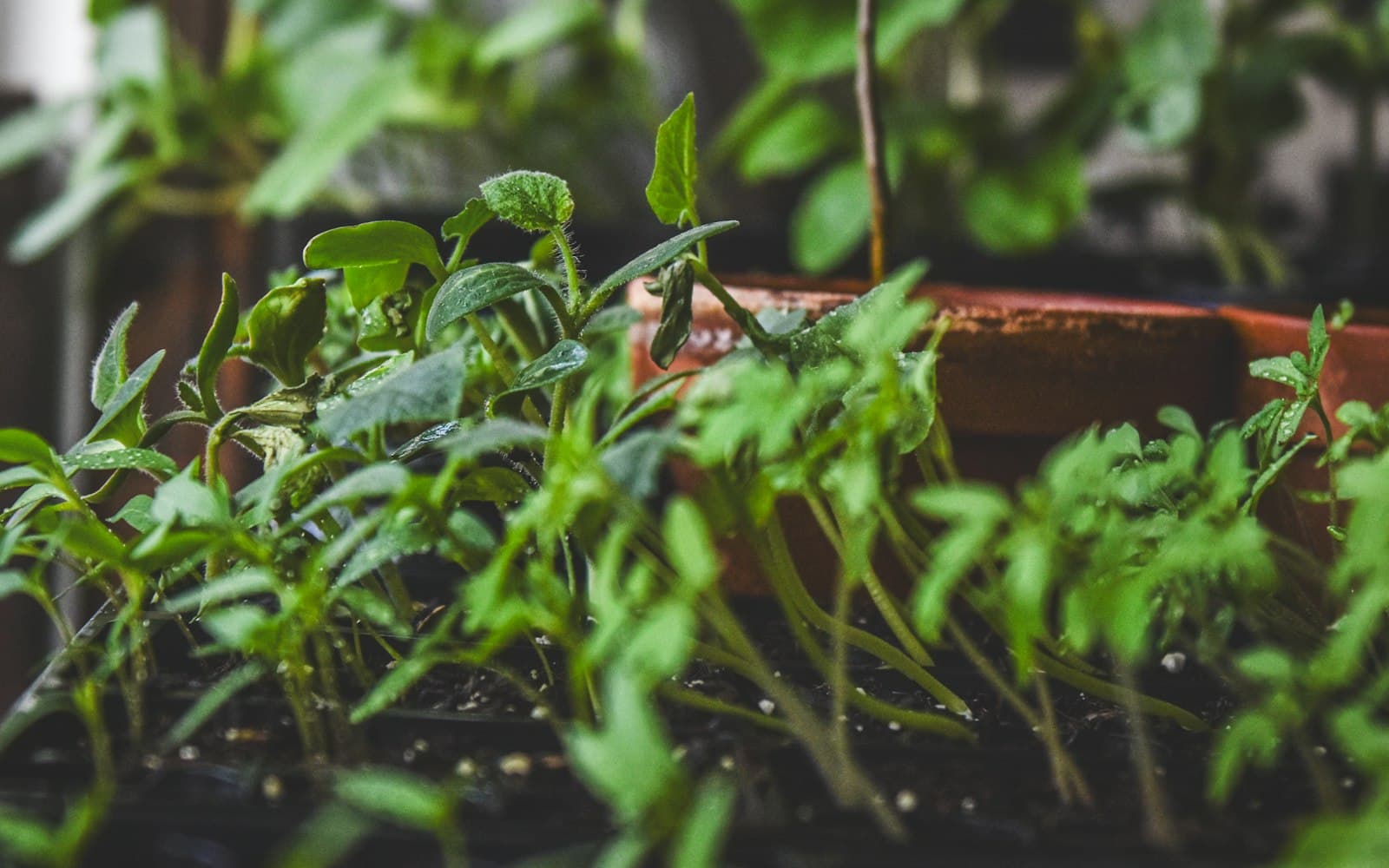
For timing, start tomato and pepper seeds indoors six to eight weeks before your last expected frost date. Cucumbers do not transplant as well as the other two, so most gardeners direct sow cucumber seeds outdoors once soil temperature reaches at least 60°F (16°C) and frost risk has passed. In most of the continental United States, that window falls somewhere between late April and early June depending on your region. If you are new to working out planting dates, the How to Start a Vegetable Garden beginner's guide walks through frost dates and timing in plain terms.
Potential problems to watch for
Growing these three crops near each other is generally compatible, but there are a few issues worth knowing about before you start.
- Shade from tall tomatoes: Indeterminate tomato varieties can reach five to seven feet tall. Plant them on the north side of the bed (in the northern hemisphere) so they do not cast shade on the shorter peppers or the cucumbers.
- Cucumber vines spreading into tomato cages: Train vining cucumbers onto their own trellis or stake from the start. Once they tangle into tomato cages, separating them without damaging both plants is difficult.
- Shared pests: Aphids and spider mites will happily move between all three crops. Check the undersides of leaves weekly and knock pests off with a firm stream of water before populations build up.
- Fungal disease: All three crops are susceptible to fungal issues when airflow is poor or leaves stay wet. Water at the base of plants rather than overhead, and thin any leaves that are touching the soil.
- Different water depths: Cucumbers have shallower roots than tomatoes. If you are watering by hand, water cucumbers more frequently with less volume, and give tomatoes a slower, deeper soak less often.
Growing all three in containers
If you are working with a balcony, patio, or small yard, containers are a completely workable option for all three crops. The key is choosing compact or dwarf varieties and using large enough pots. A five-gallon bucket is the practical minimum for a single pepper plant or a bush cucumber, but bigger is always better because larger containers dry out more slowly and give roots more room. For tomatoes in containers, look for varieties labeled "patio," "bush," or "determinate" — these stay more manageable than full-sized indeterminate types. Group your containers together so they benefit from the same watering and feeding routine, but leave a few inches of space between pots to allow air to circulate. For more ideas on making the most of limited outdoor space, the Container Gardening 101 guide covers soil mixes, drainage, and variety selection in detail.
Feeding and watering basics
All three crops are moderately heavy feeders once they begin flowering and fruiting. Before planting, work a two- to three-inch layer of compost into the top six inches of soil. Once plants are established and starting to flower, a balanced vegetable fertilizer applied according to the product label every two to three weeks will support steady growth. Avoid applying high-nitrogen fertilizers heavily once flowering begins — too much nitrogen at that stage pushes leafy growth at the expense of fruit. Keep soil consistently moist but not waterlogged. A layer of mulch two to three inches deep around the base of each plant helps retain moisture, moderates soil temperature, and reduces weeds. If you enjoy growing edible plants beyond vegetables, 10 Easy Vegetables to Grow for Beginners is a useful companion read for building out your planting list.
Planning your layout and next steps
Before you put a single plant in the ground, sketch a simple layout on paper. Note which direction the sun travels across your space, mark where the tallest plants will go, and decide where your cucumber trellis will sit. A little planning at this stage prevents a lot of reshuffling once plants are in the ground. If you want a quick visual reference for which crops support each other and which to keep apart, the Free Companion Planting Chart is a straightforward printable you can pin up in your garden space. It covers tomatoes, peppers, cucumbers, and dozens of other common crops — a handy reference when you are deciding what to tuck in next to what.
Frequently asked questions
Can tomatoes and cucumbers be planted right next to each other?
Yes, they can share the same bed without harming each other. The main thing to manage is height — tall tomato plants can shade cucumbers if positioned on the south side of the bed. Keep them spaced according to their individual requirements and train the cucumber vines onto a separate support so they do not tangle with tomato cages or stakes.
Do peppers and tomatoes compete with each other?
Not significantly, as long as they have adequate spacing and are not crowded. Both crops have similar nutrient and water needs, which actually makes them easy to manage together. Peppers are generally shorter than tomatoes, so position them where they will receive full sun and not be shaded by taller plants nearby.
When is it safe to plant all three outdoors?
Wait until all risk of frost has passed and nighttime temperatures are consistently above 50°F (10°C) before transplanting tomatoes and peppers outdoors. For cucumbers, wait until soil temperature is at least 60°F (16°C). Planting too early stunts growth and can cause lasting stress even if the plants technically survive. Check your local last frost date and use it as your baseline for timing.
Can I grow all three in the same raised bed?
A standard four-by-eight-foot raised bed can realistically hold two tomato plants, two pepper plants, and two bush cucumber plants if you use compact varieties and stick to the spacing guidelines above. Vining cucumbers work better trained up a trellis at one end of the bed rather than sprawling through the middle. Overcrowding a raised bed is one of the most common first-year mistakes, so err on the side of fewer plants rather than more.
Share this article