Cheap Container Gardening Ideas for Beginners
Grow vegetables and herbs without breaking the bank! Discover creative, budget-friendly container gardening ideas perfect for beginner home gardeners.

Starting a container garden does not have to cost much money. With a few repurposed containers, a bag of potting mix, and some seeds, you can grow real food on a balcony, patio, or windowsill without a yard or a big budget. This guide walks you through the most practical, low-cost ways to get started so you can spend more time growing and less time worrying about the expense.
Start with what you already have
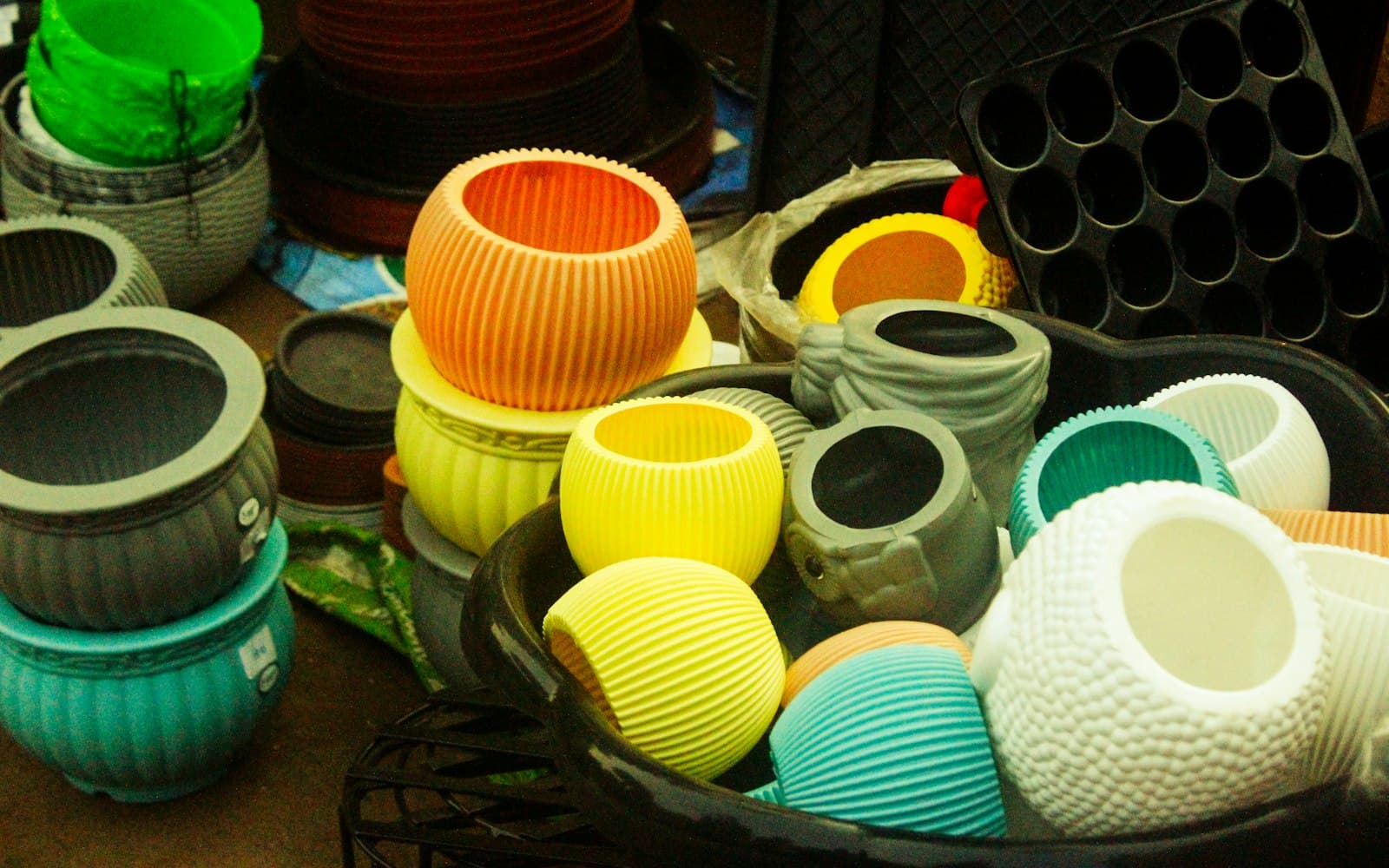
Before you buy anything, look around your home for containers you can use right now. Plastic buckets, old colanders, wooden crates, large yogurt tubs, and even cardboard boxes lined with a plastic bag can all hold soil and grow food for at least one season. The only requirements are that the container holds a few inches of soil and has some way for water to drain out. If it does not have drainage holes already, a drill or a heated nail can make them in about a minute.
Five-gallon plastic buckets are one of the most useful free or near-free containers you can find. Many delis, bakeries, and restaurant supply stores give them away or sell them for under a dollar because they receive food ingredients in them. A single five-gallon bucket is deep enough for tomatoes, peppers, or cucumbers if you keep up with watering. For shallower crops like lettuce, radishes, or herbs, even a container four to six inches deep will do the job.
Choosing the right crops for small containers
Some vegetables are simply better suited to container life than others, especially when you are working with limited space and a limited budget for soil. Crops that stay compact, produce quickly, and tolerate close spacing are your best starting point. If you want more detail on which plants perform well for beginners overall, the post on 10 Easy Vegetables to Grow for Beginners is worth reading alongside this one.
The table below gives you a practical starting point for matching crops to container sizes, along with rough spacing and days to first harvest so you can plan realistically.
| Crop | Minimum container depth | Spacing per plant | Days to harvest |
|---|---|---|---|
| Leaf lettuce | 4 inches | 4 inches | 30 to 45 days |
| Radishes | 6 inches | 2 inches | 22 to 30 days |
| Bush beans | 8 inches | 4 inches | 50 to 60 days |
| Basil | 6 inches | 6 inches | 60 to 70 days from seed |
| Cherry tomatoes | 12 inches | One plant per 5-gallon bucket | 60 to 80 days from transplant |
| Green onions (scallions) | 4 inches | 1 inch | 60 days from seed; 3 weeks from grocery-store bulbs |
Saving money on soil and amendments
Potting mix is often the biggest upfront cost in container gardening, but a few habits can stretch it a long way. First, avoid using garden soil in containers. It compacts quickly, drains poorly, and can introduce pests or disease. A basic all-purpose potting mix from a hardware store is a reasonable starting point. Buying the largest bag available usually brings the cost per quart down significantly compared to smaller bags.
To make your mix go further and improve drainage without spending more, you can blend it with perlite, which is inexpensive and widely available, or with coarse sand. A ratio of roughly three parts potting mix to one part perlite works well for most vegetables. At the end of the growing season, you do not need to throw the old mix away. Refresh it by mixing in a couple of inches of compost and letting it sit over winter. Most mixes can be reused for two to three seasons before the structure breaks down.
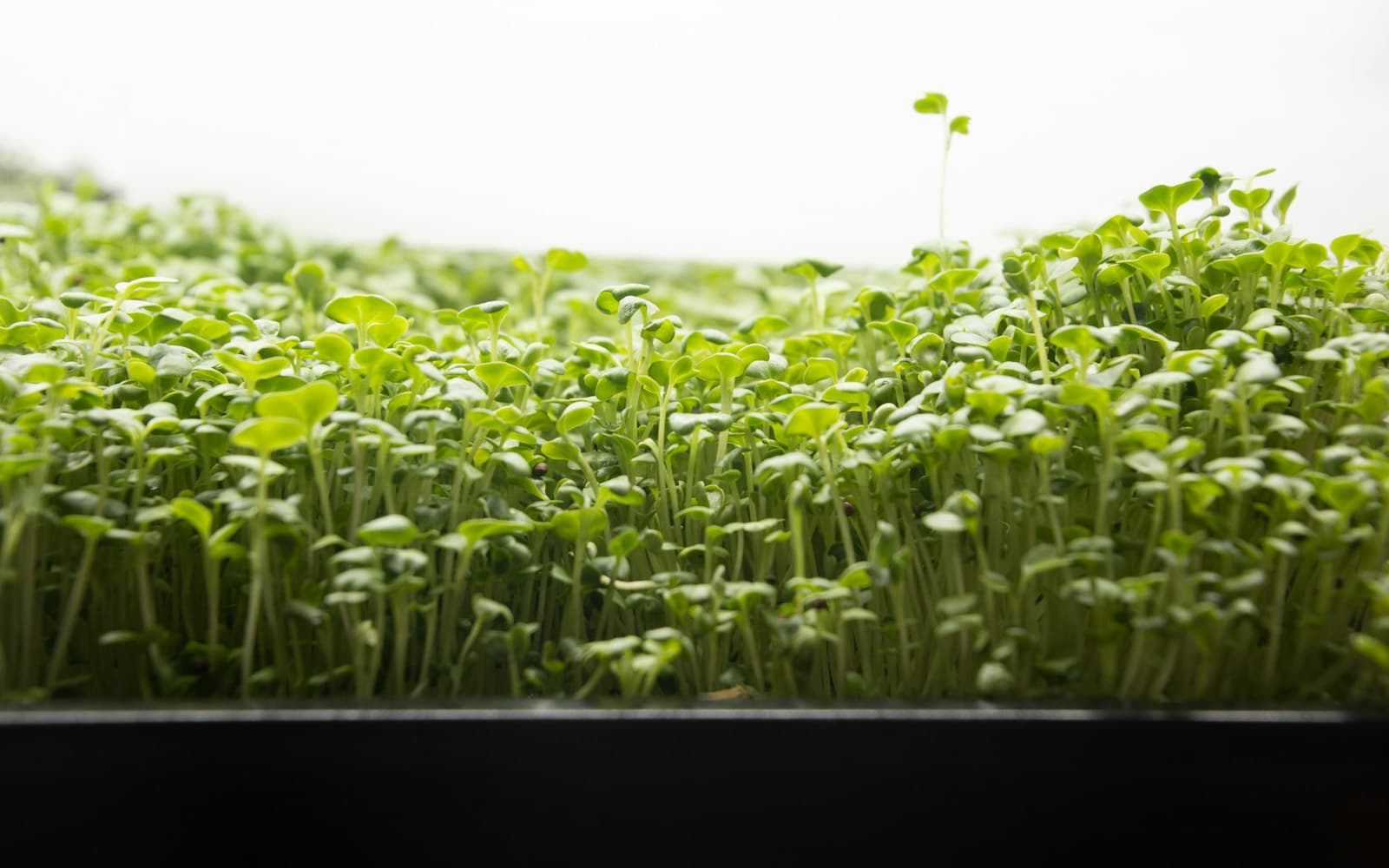
If you are interested in growing something that needs very little soil at all, microgreens grown on a shallow tray are one of the cheapest crops you can produce indoors. They grow in about an inch of medium and are ready to cut in seven to fourteen days depending on the variety.
Timing your plantings to avoid wasted effort
One of the most common mistakes beginners make is planting too early in spring or too late in summer. Frost can kill tender plants overnight, and heat can cause cool-season crops like lettuce to bolt and turn bitter before you get much from them. Knowing your last average frost date in spring and your first average frost date in fall gives you a reliable planting window to work within.
In most of the United States, the last spring frost falls somewhere between late March and mid-May depending on your region. A local cooperative extension service website will give you the specific dates for your zip code for free. As a general rule, wait until two weeks after your last expected frost date before moving heat-loving plants like tomatoes, peppers, or basil outdoors. Cool-season crops like lettuce, spinach, and radishes can go out earlier, even four to six weeks before the last frost, because they tolerate light freezes down to about 28 degrees Fahrenheit.
Low-cost watering and feeding habits
Containers dry out faster than garden beds because they have a limited volume of soil and often sit in full sun on reflective surfaces like concrete. Checking moisture daily during warm weather is a habit worth building early. Push your finger about an inch into the soil. If it feels dry at that depth, it is time to water. If it still feels damp, wait and check again the next day.
For feeding, a basic balanced liquid fertilizer diluted to half the label rate and applied every two weeks during the growing season is enough for most container vegetables. Slow-release granular fertilizers mixed into the potting soil at planting time are another low-maintenance option. Avoid exceeding label rates, as over-fertilizing can burn roots and reduce yields rather than improve them.
Getting more from a small space
Once you have a few containers going, you can extend what you grow without buying more pots by using vertical space. A simple trellis made from bamboo stakes and twine costs almost nothing and lets climbing crops like pole beans or small cucumbers grow upward instead of outward. Stacking containers at different heights on a shelf or step ladder also makes use of otherwise empty air space on a balcony or patio.
Combining crops in a single large container is another way to get more from less. Lettuce grows happily at the base of a tomato plant and actually benefits from the partial shade the tomato provides during midsummer heat. Herbs like parsley and basil can share a wide window box if you space them according to the table above. For a broader look at how container gardening fits together as a system, Container Gardening 101 covers the full picture in one place.
If you want a structured starting point that takes some of the guesswork out of your first season, The Complete Beginner Garden Kit includes planning worksheets, planting schedules, and spacing guides sized for small-space growers. It is not required to get started, but some beginners find it helpful to have everything organized in one printable resource.
Frequently asked questions
What is the cheapest container I can use for growing vegetables?
Five-gallon buckets from bakeries or delis are often free or cost under a dollar and work well for most vegetables. Shallow plastic storage bins, old colanders, and large tin cans are also useful for smaller crops like herbs and lettuce. The main thing any container needs is drainage holes at the bottom so roots do not sit in standing water.
Can I use regular garden soil in a container?
Regular garden soil is not a good choice for containers. It tends to compact tightly in a pot, which restricts root growth and prevents water from draining properly. An all-purpose potting mix, especially one blended with a little perlite, gives roots the loose, well-draining environment they need to grow well in a confined space.
How many plants can I fit in a five-gallon bucket?
It depends on the crop. One cherry tomato plant or one pepper plant fills a five-gallon bucket comfortably on its own. For smaller crops, you can fit more: about four to six lettuce plants, up to twelve radishes, or two to three basil plants in the same volume of soil. Crowding plants too closely reduces airflow and can lead to disease, so following the spacing guidance in the table above is a good starting point.
When should I start seeds indoors versus planting directly outside?
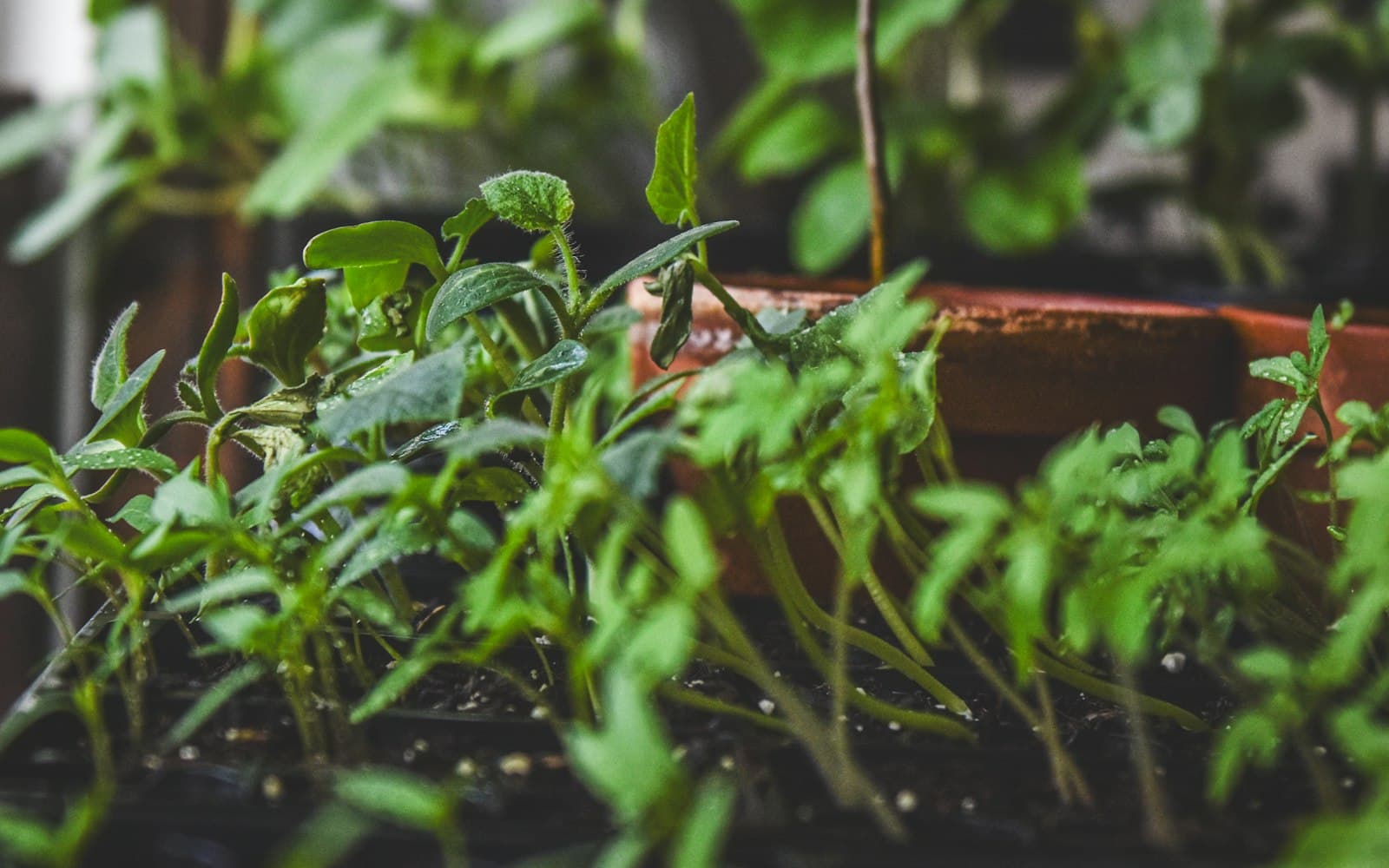
Crops like tomatoes, peppers, and eggplant benefit from being started indoors six to eight weeks before your last expected frost date because they need a long growing season. Fast-maturing crops like radishes, lettuce, and green onions do not need a head start and can be sown directly into outdoor containers once temperatures are appropriate for the crop. Starting seeds indoors too early can result in leggy, root-bound plants that struggle after transplanting, so timing matters as much as technique.
Share this article