How to Start a Vegetable Garden: A Beginner's Guide
Ready to grow your own food? Learn how to start a vegetable garden from scratch with simple steps, easy crops, and tips made for total beginners.

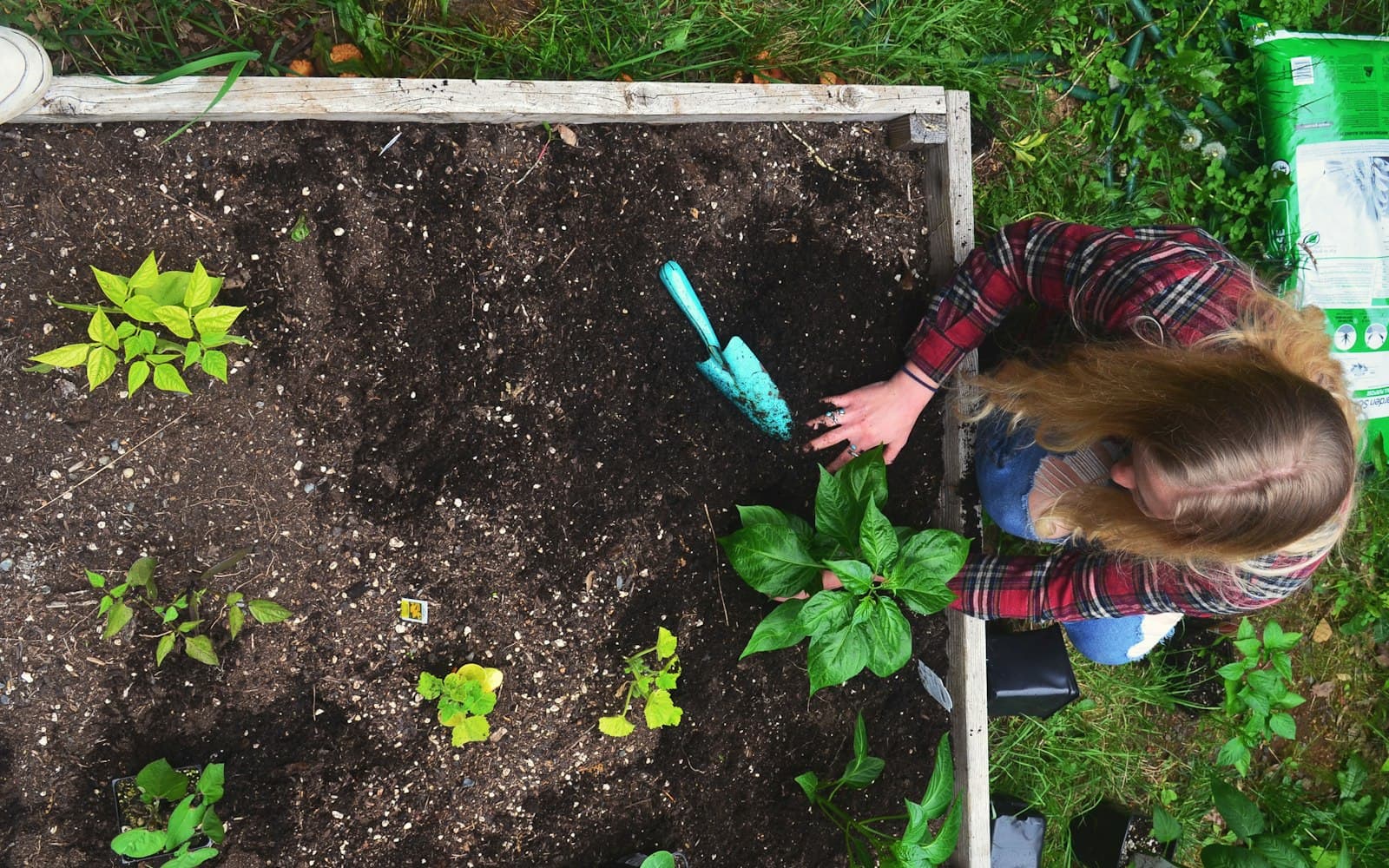
Starting a vegetable garden for the first time can feel overwhelming, especially when you are staring at a seed packet with twelve different instructions and a yard that may or may not get enough sun. The good news is that growing your own food does not require a large plot, a lot of experience, or a complicated setup. This guide walks you through each step in plain language so you can get seeds in the ground with confidence.
Start with the right location
Most vegetables need at least six hours of direct sunlight each day to produce a decent harvest. Before you buy a single seed, spend a day watching how sunlight moves across your outdoor space. Note which areas are sunny at 9 a.m., noon, and 3 p.m. A spot that looks bright in the morning may be shaded by a fence or tree by early afternoon.
If your sunniest area happens to be a patio, balcony, or driveway, that is still workable. Many beginners grow their first gardens entirely in containers, which gives you flexibility to move plants toward the light as needed. If that sounds like your situation, Container Gardening 101: Grow Food in Small Spaces covers everything from pot size to drainage in a lot more detail.
Choose the right size to start
One of the most common beginner mistakes is starting too big. A 4-foot by 4-foot raised bed or a cluster of five to eight containers is genuinely enough for a first season. You will learn more from a small, well-managed space than from a large one that becomes difficult to maintain by midsummer.
A 4-by-4-foot bed gives you 16 square feet to work with. That is enough room to grow lettuce, radishes, a couple of tomato plants, and a few herbs without crowding. Once you have one season under your belt, expanding feels much less intimidating.
Pick vegetables that are forgiving
Some vegetables are more tolerant of beginner mistakes than others. Choosing the right ones for your first garden makes the experience more rewarding and less frustrating. As a general rule, look for fast-growing crops and varieties labeled as disease-resistant on the seed packet.
The following table shows some beginner-friendly vegetables, their approximate days to harvest, and basic spacing guidance for in-ground or raised-bed planting.
| Vegetable | Days to harvest | Spacing (in-ground / raised bed) | Direct sow or transplant |
|---|---|---|---|
| Radish | 22 to 30 days | 2 inches apart, rows 6 inches | Direct sow |
| Lettuce (leaf) | 30 to 45 days | 6 inches apart | Direct sow or transplant |
| Green beans (bush) | 50 to 60 days | 4 to 6 inches apart, rows 18 inches | Direct sow |
| Zucchini | 50 to 65 days | 24 to 36 inches apart | Direct sow or transplant |
| Cherry tomato | 60 to 70 days | 24 to 36 inches apart | Transplant |
| Kale | 55 to 75 days | 12 to 18 inches apart | Direct sow or transplant |
For a longer list with growing tips for each crop, take a look at 10 Easy Vegetables to Grow for Beginners, which goes into more detail on variety selection and common problems to watch for.
Understand your frost dates before you plant
Planting too early in spring is one of the fastest ways to lose seedlings. Most warm-season vegetables, including tomatoes, peppers, cucumbers, and squash, cannot tolerate frost and should not go outside until nighttime temperatures stay consistently above 50 degrees Fahrenheit. Cool-season crops like lettuce, spinach, peas, and kale can handle light frosts and can be planted four to six weeks before your last expected frost date.
To find your frost dates, search for your zip code or region on the USDA Plant Hardiness Zone map or check with your local cooperative extension office. These dates are averages based on historical weather data, not guarantees, so it is wise to keep an eye on the forecast during early spring planting. If a late frost is predicted, cover young transplants with a lightweight row cover or an old bedsheet overnight.
Prepare your soil before anything goes in the ground
Vegetables are heavy feeders, and most native soils benefit from amendment before planting. If you are starting a raised bed, fill it with a mix of roughly 60 percent topsoil, 30 percent compost, and 10 percent perlite or coarse sand for drainage. If you are planting in the ground, loosen the soil to about 12 inches deep and work in two to three inches of compost across the entire planting area.
Avoid using fresh or uncomposted manure directly on vegetable beds, as it can burn roots and introduce pathogens. Bagged compost from a garden center is a safe and straightforward option for beginners. Once your plants are growing, a balanced slow-release granular fertilizer applied according to package directions is usually all you need for the season.
Water consistently and watch for problems early
Most vegetables prefer about one inch of water per week, either from rainfall or supplemental watering. Rather than watering a little every day, aim for a deeper, less frequent schedule that encourages roots to grow downward. Check the soil by pressing your finger about an inch into the surface. If it feels dry at that depth, it is time to water.
Watering at the base of the plant rather than overhead helps reduce fungal problems on leaves. Early morning is the best time to water if you can manage it. As your garden grows, check plants every few days for signs of stress, pest damage, or discoloration. Catching problems early, before they spread, is much easier than dealing with them once they have taken hold.
- Yellow leaves on lower growth often indicate overwatering or a nitrogen deficiency.
- Holes in leaves are frequently caused by caterpillars or beetles; check the undersides of leaves for eggs.
- Wilting in the morning, before the day gets hot, usually signals root rot or underwatering.
- Powdery white coating on leaves is often powdery mildew, which thrives in humid conditions with poor airflow.
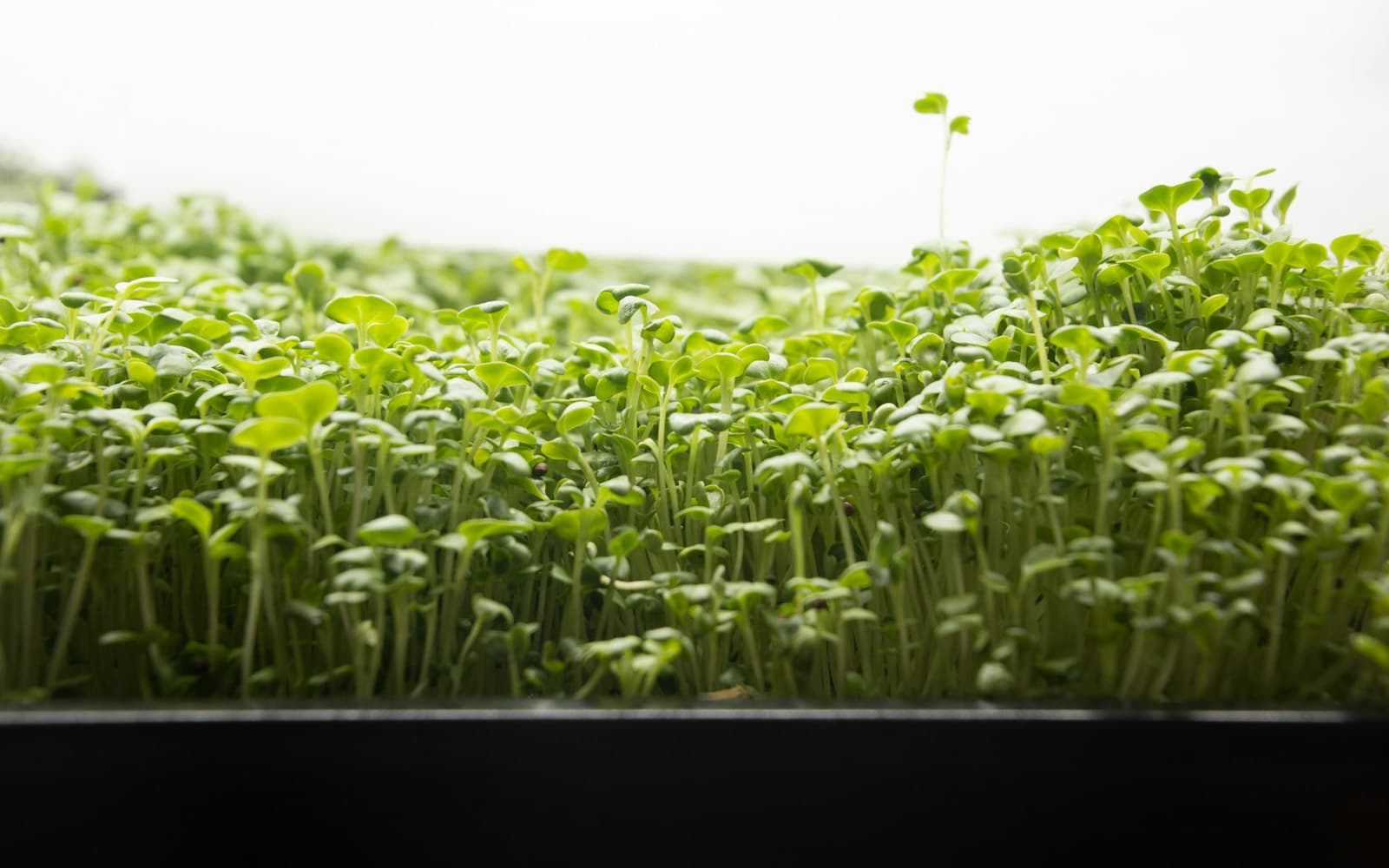
If you are short on outdoor space or want to grow something while you wait for outdoor conditions to improve, How to Grow Microgreens at Home (Step-by-Step for Beginners) is a great way to get comfortable with seeds and growing cycles indoors before the season starts.
A helpful next step for getting organized
If you would like a little more structure to pull all of this together, The Complete Beginner Garden Kit includes printable planning sheets, a seasonal planting calendar, and a simple crop tracker that can help you stay organized through your first season. It is not required to have a successful garden, but some beginners find it useful to have everything in one place rather than piecing it together from different sources.
Frequently asked questions
How much sun does a vegetable garden actually need?
Most fruiting vegetables like tomatoes, peppers, and squash need a minimum of six to eight hours of direct sunlight daily. Leafy greens and root vegetables like lettuce, spinach, and radishes can manage with four to six hours, making them better choices for partially shaded spaces.
Can I start a vegetable garden with no experience at all?
Yes, and many people do exactly that. Starting with fast-growing, low-maintenance crops like radishes, lettuce, and green beans gives you the chance to see results quickly and build confidence before moving on to more demanding plants. A small raised bed or a few containers is all you need to begin.
When should I start seeds indoors versus direct sowing outside?
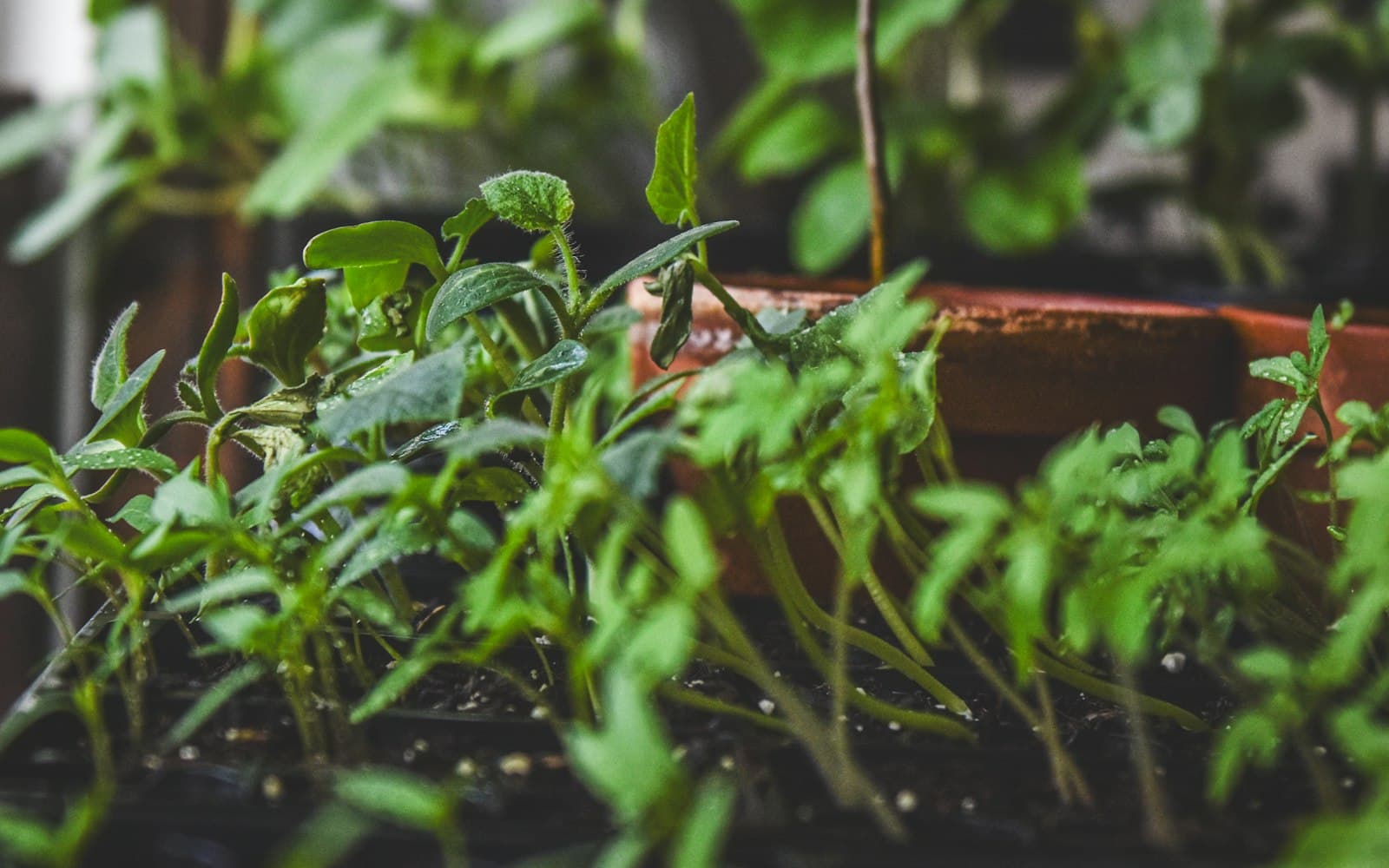
Crops like tomatoes and peppers need a long growing season and are typically started indoors six to eight weeks before your last frost date, then transplanted outside once conditions are warm enough. Crops like beans, carrots, and peas do not transplant well and should be sown directly in the ground at the appropriate time for your region. Seed packets usually specify which method is recommended.
How do I know if my soil is good enough to plant in?
Healthy garden soil should be dark in color, crumble easily when squeezed, and have a faint earthy smell. If your soil is compacted, pale, or drains very poorly, it will benefit from the addition of compost before planting. A basic soil test kit, available at most garden centers, can also tell you your pH and nutrient levels so you can amend accordingly.
Share this article