Growing Watermelon From Seed: A Time Lapse Guide
Watch watermelon grow from tiny seed to sprawling vine! Follow our beginner-friendly time lapse guide with tips on germination, transplanting, and harvest.

Watching a watermelon go from a dry, flat seed to a sprawling vine loaded with fruit is one of those experiences that makes you feel like gardening is genuinely magical. If you have never grown watermelons before, the process can seem intimidating — they are big plants with a long growing season, and there is a lot of advice out there that feels contradictory. This guide walks you through every stage, from seed to harvest, with real timing and spacing numbers so you know exactly what to expect.
What the time lapse actually shows you
A time lapse of watermelon growth compresses roughly 70 to 90 days of development into a few minutes of video. What you see is a seed cracking open in the soil, two rounded seed leaves (cotyledons) pushing upward, followed by the first true leaves, then a rapid spread of vines, the appearance of small yellow flowers, and finally the slow swelling of fruit over several weeks. Understanding each of those stages in real time helps you know what is normal and what might need attention. The vine growth phase in particular can look alarming if you are not expecting it — a single watermelon plant can send out vines six to ten feet long by midsummer.
Choosing the right variety for your space
Standard watermelon varieties like Crimson Sweet or Jubilee need a lot of room — think eight to twelve square feet per plant at minimum. If you are gardening in a smaller yard or on a patio, look for compact or "icebox" varieties instead. Sugar Baby is a reliable choice that produces round, eight to ten pound fruits on shorter vines. Bushbaby and Bush Sugar Baby are bred specifically for container growing and need only about four feet of space per plant. If you are new to vegetable gardening in general, it helps to read through 10 Easy Vegetables to Grow for Beginners first to get a sense of how watermelons compare in terms of effort to other crops.
Starting seeds: timing, temperature, and depth
Watermelons are warm-season plants that are killed by frost. Your seed-starting timing depends entirely on your last expected frost date. Sow seeds indoors two to three weeks before your last frost date, then transplant outdoors one to two weeks after that date has passed — once soil temperatures are consistently at or above 70 degrees Fahrenheit. Watermelon seeds germinate poorly in cold soil and may rot rather than sprout if the ground is still cool.
- Seed depth: 1 inch deep
- Germination temperature: 75 to 95 degrees F (optimal around 85 degrees F)
- Days to germination: 4 to 10 days at optimal temperature
- Weeks to start indoors before last frost: 2 to 3 weeks
- Transplant outdoors: 1 to 2 weeks after last frost date
- Direct sow outdoors: When soil is at least 70 degrees F
- Days from transplant to harvest: 65 to 90 days depending on variety
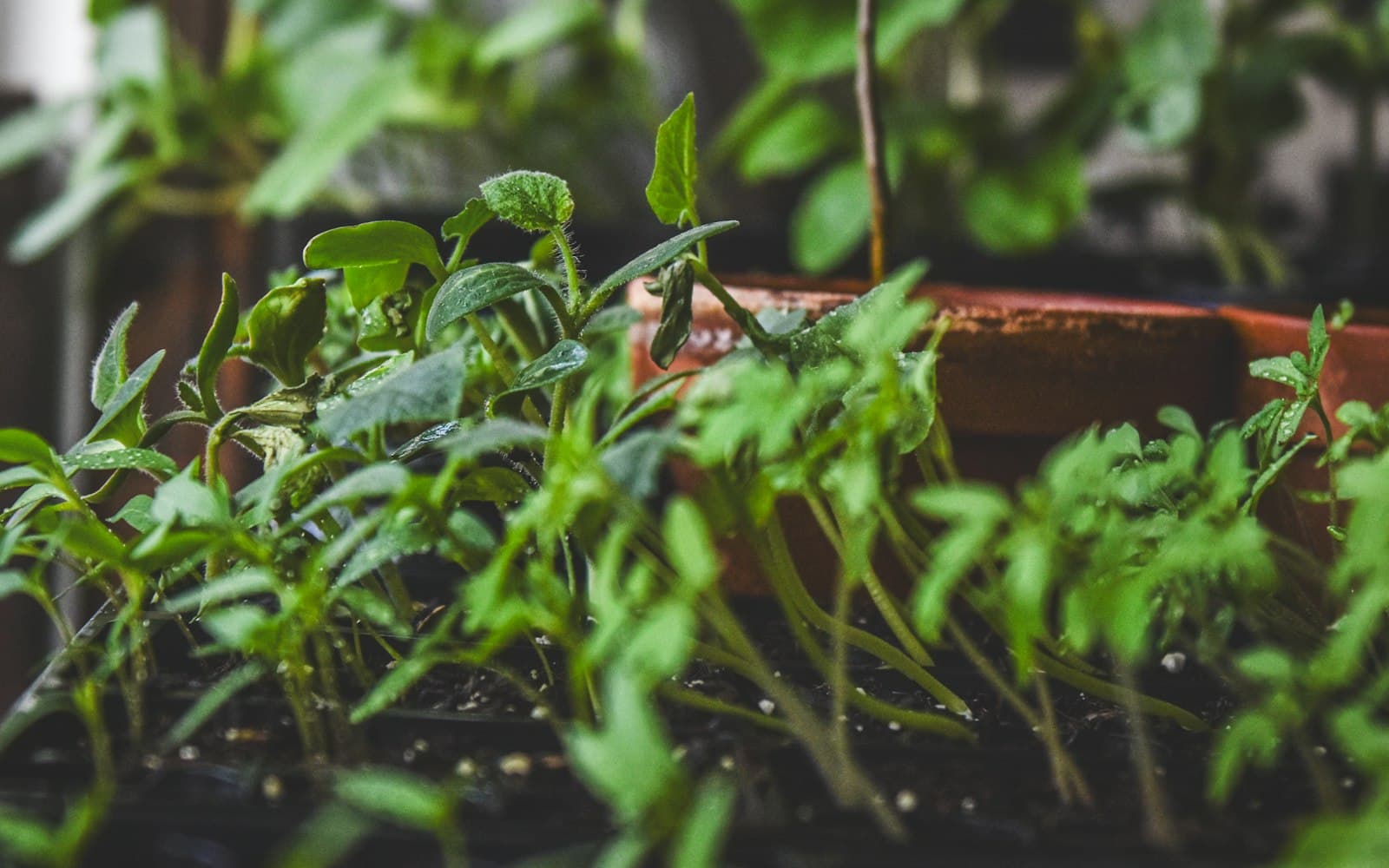
Sow two seeds per cell or pot and thin to the strongest seedling once both have germinated. Use biodegradable pots if possible — watermelon roots dislike being disturbed, and peat or coir pots let you plant the whole container directly into the ground without untangling roots.
Transplanting and spacing in the garden
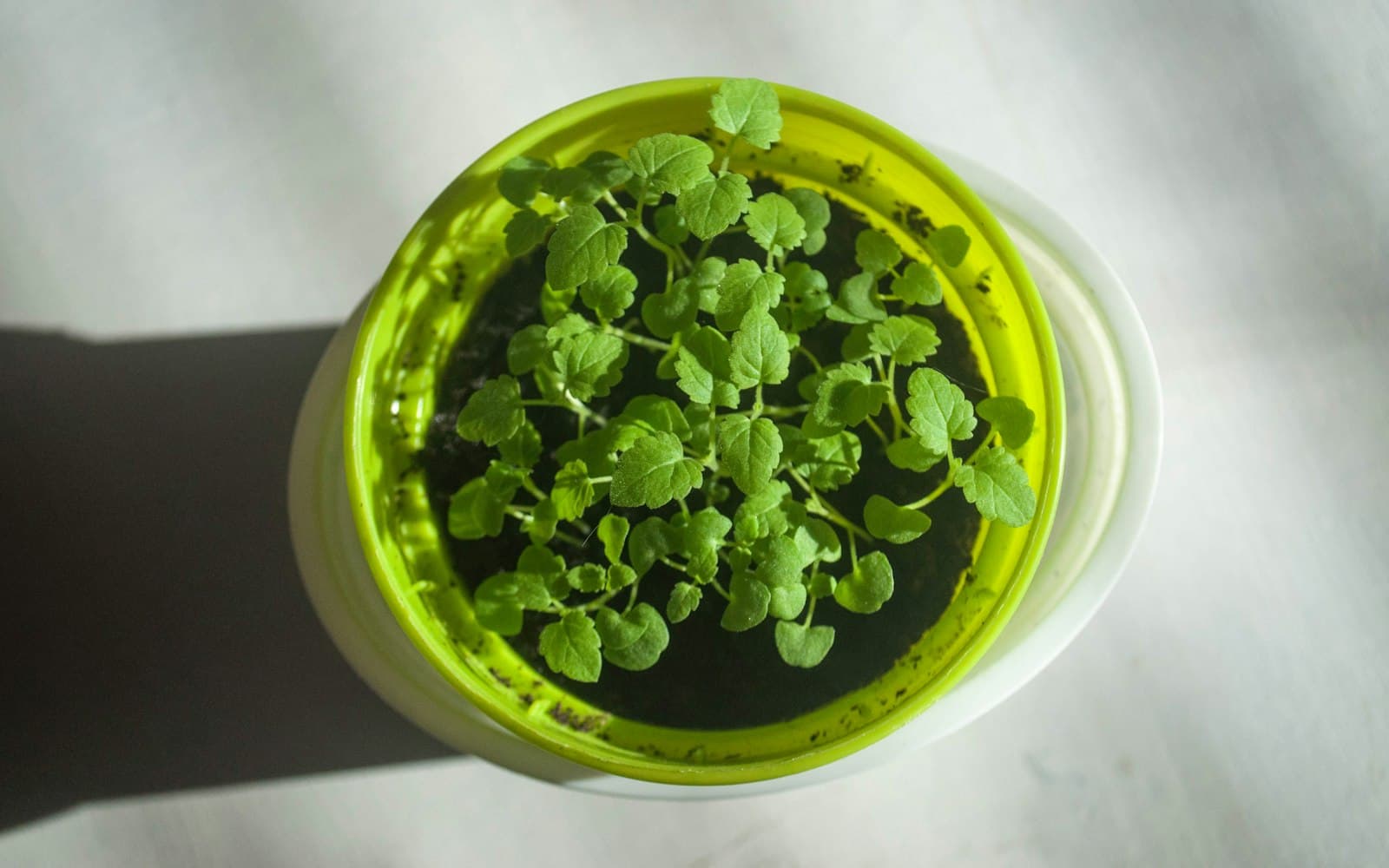
When your seedlings have two to three true leaves and nighttime temperatures are reliably above 50 degrees Fahrenheit, they are ready to go outside. Harden them off first by setting them outdoors in a sheltered spot for a few hours each day over the course of a week, gradually increasing their exposure to direct sun and wind. This step reduces transplant shock significantly. For spacing, standard varieties need hills or rows set three to five feet apart within rows, with rows six to eight feet apart. Compact varieties can be planted three to four feet apart in all directions. If you are working with containers, choose one that holds at least five gallons — ten gallons is better — and make sure it has good drainage. The Container Gardening 101: Grow Food in Small Spaces guide has practical advice on soil mix and drainage that applies directly to growing melons in pots.
Watering, feeding, and vine care during the growing season
Watermelons need consistent moisture while they are establishing and while fruit is swelling. Aim for about one to two inches of water per week, either from rain or irrigation. Water at the base of the plant rather than overhead to reduce the risk of fungal disease on the leaves. Once fruit begins to develop, slightly reducing water in the final two weeks before harvest can concentrate sweetness, though this is a technique to try carefully rather than a rule to follow rigidly. For fertilizing, a balanced vegetable fertilizer applied every two to three weeks is a reasonable starting point. Once flowers appear, some gardeners switch to a fertilizer lower in nitrogen to encourage fruit set rather than more foliage — check the product label for application rates and follow them rather than guessing. Watermelons produce both male and female flowers; female flowers have a tiny round swelling at the base. Bees and other pollinators transfer pollen between them. If you notice lots of flowers dropping without fruit forming, low pollinator activity is often the cause, especially in enclosed spaces.
Knowing when to harvest
The hardest part of growing watermelons is figuring out when they are ripe, because you cannot easily check without cutting them open. Several signs together give you the best indication. The tendril closest to the fruit on the vine will dry out and turn brown when the fruit is ripe. The underside of the melon, where it rests on the ground, will change from white to a creamy yellow color. The skin becomes harder and more difficult to scratch with a fingernail. Some gardeners also use the "thump test" — a ripe watermelon sounds hollow rather than dense when tapped — though this takes practice to interpret reliably. When you are ready to harvest, cut the stem with a clean knife rather than pulling, which can damage the vine.
If you want to keep track of your sowing dates, germination times, and transplant schedule all in one place, the Seed-Starting Tracker printable is designed exactly for this kind of multi-stage crop. It is especially useful when you are juggling watermelons alongside other warm-season vegetables with overlapping start dates.
Frequently asked questions
Can I grow watermelons in a raised bed?
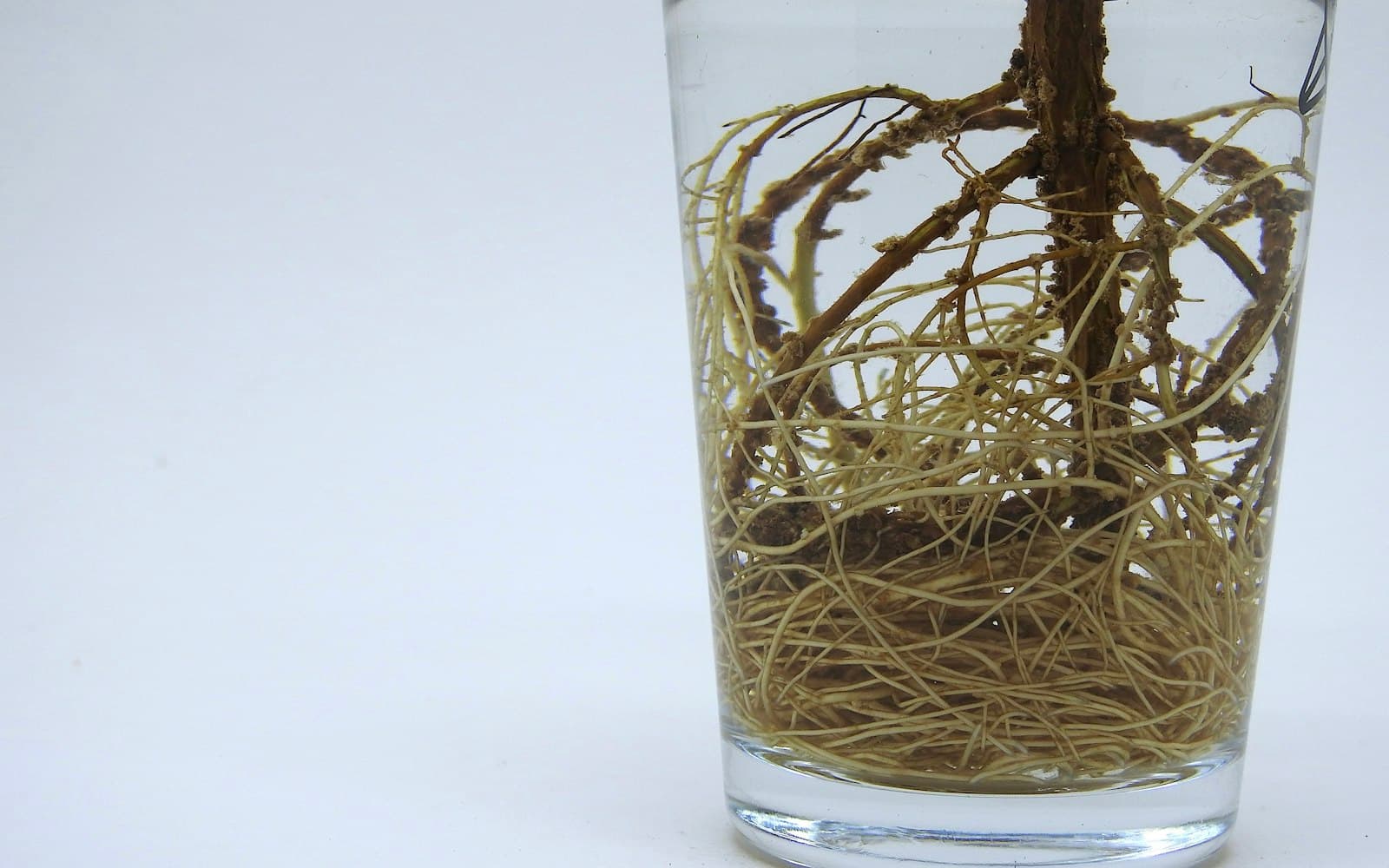
Yes, raised beds work well for watermelons as long as the bed is large enough and you are willing to let the vines trail over the sides onto the ground or a trellis. A compact variety in a four-by-eight foot raised bed is a manageable combination. Deeper beds — at least twelve inches — are better because watermelon roots run deep. Make sure your soil drains well; watermelons do not tolerate sitting in waterlogged conditions.
How many watermelons does one plant produce?
Most standard varieties produce two to four melons per plant under good growing conditions. Compact and icebox varieties often produce more smaller fruits, sometimes five or six per plant. Fruit set depends heavily on pollination, consistent watering, and whether the plant has enough nutrients to support multiple fruits at once. Do not expect every flower to become a melon — that is completely normal.
My watermelon seedlings are leggy and pale. What went wrong?
Legginess is almost always a light problem. Seedlings stretch toward whatever light source they have, and if that light is too dim or too far away, they grow tall and weak rather than compact and sturdy. Move them to a south-facing window or lower your grow light so it sits about two to four inches above the tops of the seedlings. If you are starting other vegetables at the same time, the same principle applies — you can read more about getting seedlings off to a good start in How to Start a Vegetable Garden (A Beginner's Guide).
Do watermelons need full sun?
Yes, watermelons need a minimum of eight hours of direct sunlight per day, and they genuinely do better with more. They are one of the most sun-demanding common garden vegetables. Partial shade will reduce yield significantly and slow fruit development. Choose the sunniest spot available to you, and avoid planting near trees or structures that cast afternoon shadow.
Share this article