Turn a Teddy Bear Into Beautiful DIY Garden Decor
Transform an old teddy bear into charming garden decor! Follow our easy beginner steps to create a whimsical planter full of flowers and greenery.

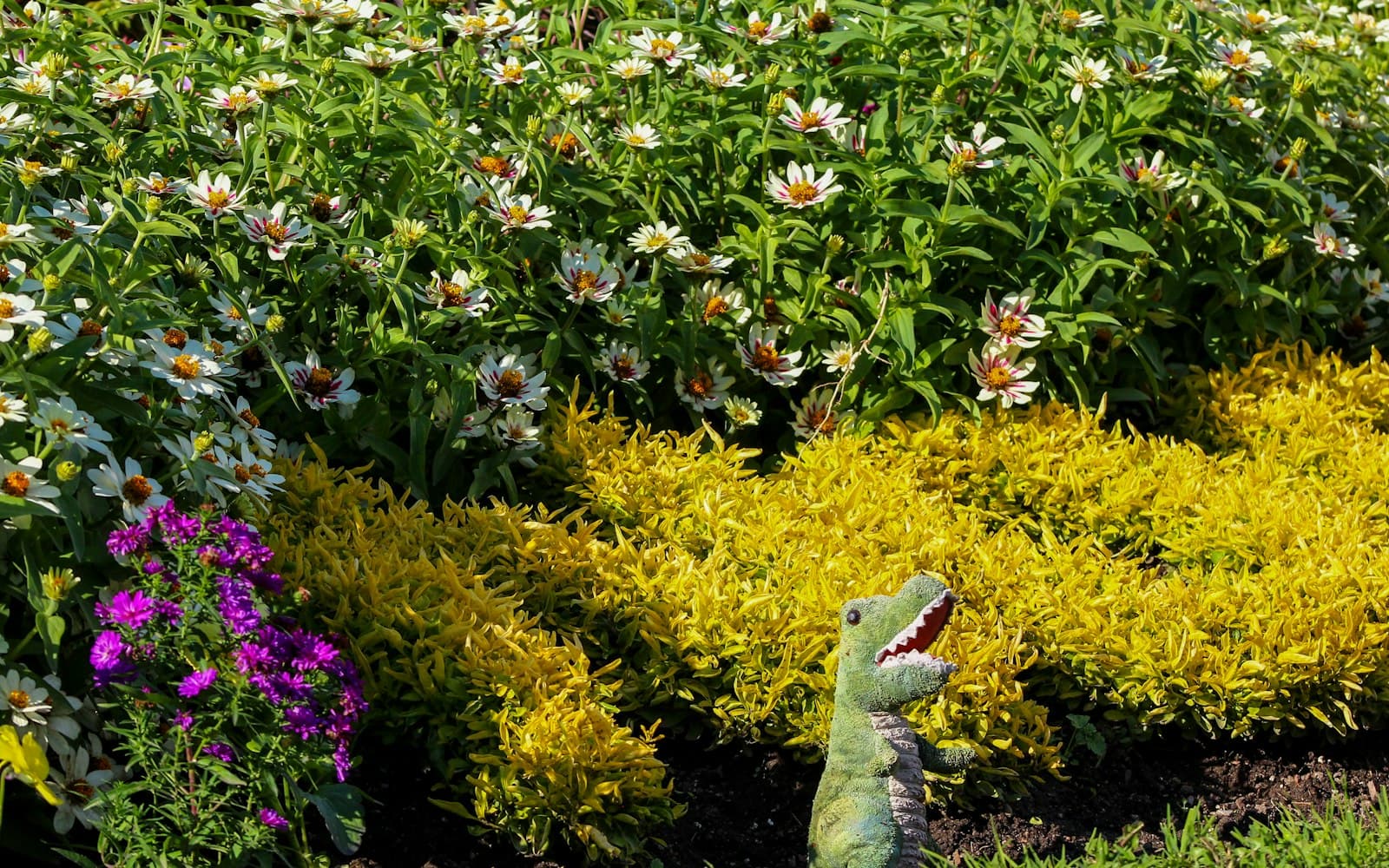
A worn-out stuffed bear sitting in a corner of your home can find a second life in the garden as a charming planter that costs almost nothing to make. This project is simple enough for a complete beginner, requires no special tools, and fits perfectly into a small patio, balcony, or front-porch display. If you have been looking for a gentle way to start decorating with plants, this is a good place to begin.
What you will need before you start
You do not need to buy much for this project. The main materials are a plush stuffed bear (one you are willing to get dirty and leave outdoors), a waterproof liner such as a small plastic bag or a piece of landscape fabric, potting mix suitable for containers, and a handful of small plants or seeds. A pair of scissors, a hand trowel, and some gravel or broken pottery for drainage are also helpful. Choose a bear that is at least ten to twelve inches tall so there is enough stuffing space to hold a meaningful amount of soil. Smaller bears can work, but they dry out very quickly and limit your plant choices.
Preparing the bear for planting
Start by deciding where you want the opening to be. Most people cut a pocket into the bear's belly or back, roughly four to six inches wide, which is large enough to tuck in a small plant without making the bear look hollow. Use sharp scissors and cut carefully so the fabric edges stay clean. Pull out most of the stuffing from that area, leaving enough around the sides to keep the bear's shape. Place your plastic liner or a folded piece of landscape fabric inside the cavity to slow moisture loss through the fabric exterior. Poke two or three small holes in the bottom of the liner so excess water can drain out rather than sitting and rotting the bear from the inside. Add a thin layer of gravel or broken pot pieces before adding soil, which helps water move through freely.
Choosing the right plants
Because the planting space is small and shallow, compact or trailing plants work best. You are looking for plants that tolerate some drying out between waterings, since a fabric planter loses moisture faster than a clay or plastic pot. Here are some reliable options along with basic spacing and timing guidance.
- Sempervivums (hens and chicks): Space rosettes 2 to 3 inches apart. Hardy in USDA zones 3 to 8. Can be planted outdoors after last frost or kept as year-round indoor decor.
- Creeping thyme: One small plug per cavity works well. Plant outdoors after the last frost date for your area. Zones 4 to 9.
- Miniature violas or pansies: One to two plants per opening. Best planted in early spring or fall; they fade in summer heat above about 75 degrees Fahrenheit.
- Trailing lobelia: One plug per opening. Plant out after frost danger has passed. Zones 2 to 8 as an annual.
- Dwarf sweet alyssum: Two to three seedlings per opening. Direct sow or transplant after last frost. Zones 5 to 9 as an annual.
- Compact succulents such as echeveria: One per opening. Best kept in a sheltered spot or brought indoors below 40 degrees Fahrenheit.
If you enjoy the idea of growing small edible plants in creative containers, the ideas in Container Gardening 101: Grow Food in Small Spaces can help you think through soil choices and watering routines that apply here too.
Planting and arranging your bear
Fill the lined cavity about two-thirds full with a good-quality potting mix. Avoid garden soil dug from the ground, which compacts quickly in small containers and can introduce pests. Gently press your chosen plant into the soil, making sure the roots have full contact with the mix, and firm the soil lightly around the base. Water slowly until moisture begins to drip from the drainage holes, then let the bear drain completely before setting it in its final spot. A small tray or saucer underneath will protect the surface it sits on. If you want to add extra visual interest, tuck a few small decorative pebbles or a sprig of dried lavender around the plant opening.
Placement, watering, and seasonal care
Most flowering plants in this project prefer at least four to six hours of direct sun per day. Succulents and sedums can handle full sun, while violas and lobelia appreciate morning sun with some afternoon shade in warm climates. Check the soil every one to two days in warm weather by pressing a finger about an inch into the mix. If it feels dry at that depth, water gently. Because the bear is fabric, it will dry out faster than a standard pot, so more frequent checking is worthwhile in summer.
When frost is forecast, move the bear indoors or into a garage overnight if your chosen plants are frost-tender. Most annuals listed above are damaged at temperatures below 28 to 30 degrees Fahrenheit. Hardy succulents and sempervivums can stay out through winter in zones 4 and above, but the bear's fabric will degrade faster if left wet and frozen repeatedly. Bringing it under cover for winter extends the life of both the planter and the plants. You may also want to explore 10 Easy Vegetables to Grow for Beginners if this project sparks a broader interest in growing things from scratch.
A gentle next step for new gardeners
If this project has made you curious about growing more of your own food or flowers in small spaces, The Complete Beginner Garden Kit includes printable planning sheets and guides that can help you map out your space, track planting dates, and build confidence one small project at a time. It is designed for people who are just starting out and want something practical to refer back to rather than searching for answers all over again.
Frequently asked questions
Will the stuffed bear fall apart outside in rain and sun?
Most plush bears will fade and soften with outdoor exposure over one to two seasons. If you want the bear to last longer, apply a fabric waterproofing spray to the outside before planting, and bring it under cover during heavy rain or winter months. Treating it as a seasonal display rather than a permanent fixture keeps expectations realistic.
Can I use real garden soil instead of potting mix?
Garden soil is not recommended for container planting of any kind, including this project. It compacts tightly in small spaces, which cuts off oxygen to roots and causes poor drainage. A lightweight potting mix designed for containers gives roots a much better environment and reduces the risk of overwatering problems.
What if my bear does not have enough room to hold soil and roots?
If the bear is too small to plant directly, you can set a tiny nursery pot inside the opening instead. Choose a pot that fits snugly in the cavity, plant into that, and the bear becomes a decorative sleeve. This also makes it easy to swap plants in and out as seasons change without disturbing the bear at all.
Which plants are safe around children and pets in the garden?
Sempervivums, creeping thyme, sweet alyssum, and violas are generally considered low-risk around children and pets. Lobelia, however, can cause stomach upset if eaten in quantity and is best kept out of reach of young children and animals that chew on plants. When in doubt, check with your local extension office or a veterinarian for guidance specific to your household.
Share this article