Microgreens vs. Sprouts: What's the Difference?
Microgreens and sprouts are not the same. How they're grown, how they taste, their nutrition, and why one carries more food-safety risk than the other.


Microgreens and sprouts get used interchangeably, but they are genuinely different foods — grown differently, eaten differently, and carrying different food-safety profiles. If you have ever wondered which one is in your salad (or which is safer to grow at home), here is the clear breakdown.
The core difference
A sprout is a seed that has just germinated. You eat the whole thing — seed, root, and shoot — after about 2–5 days, before any true leaves form. Sprouts are grown in water, in a jar or bag, with no soil and no light.
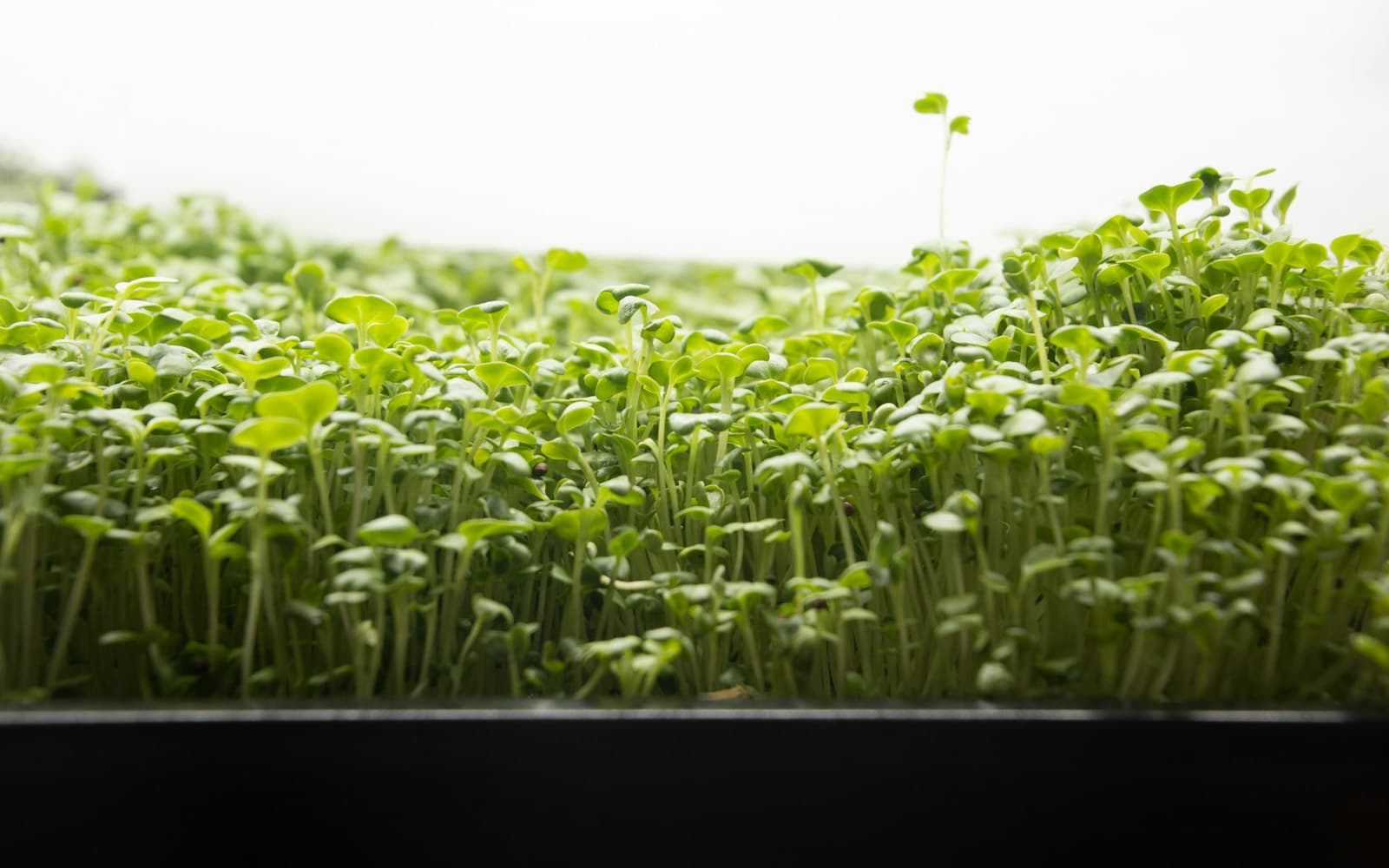
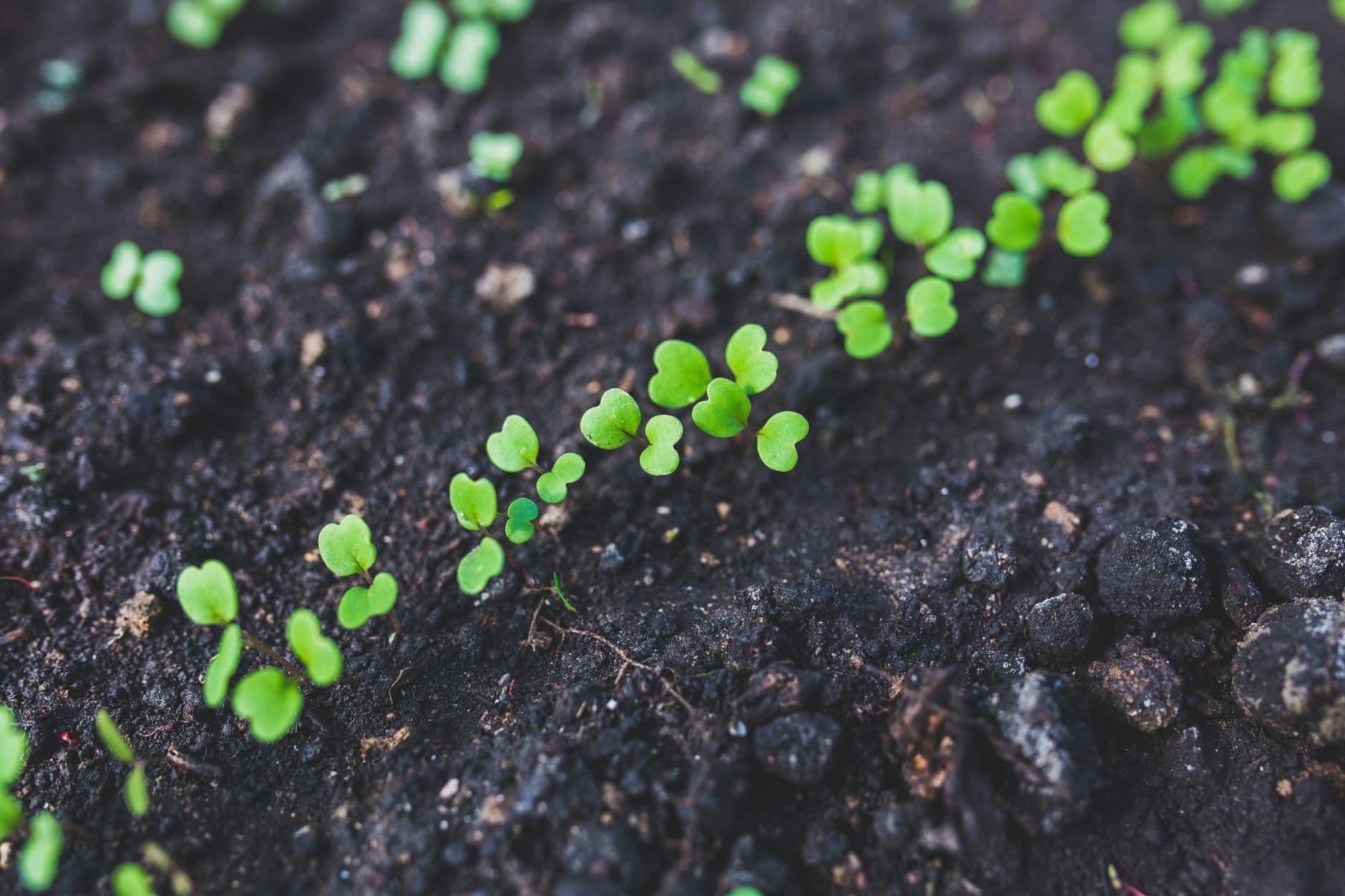
A microgreen is older. It is grown in soil or on a mat, under light, for 1–3 weeks, until the first true leaves appear. You harvest it by cutting the stem above the root, so you eat the leaves and stem but not the root or seed.
Side by side
| Sprouts | Microgreens | |
|---|---|---|
| Grown in | Water (jar/bag) | Soil or grow mat |
| Light | None | Yes |
| Time to eat | 2–5 days | 7–21 days |
| What you eat | Whole seed, root, shoot | Stem + leaves (cut above root) |
| Flavor | Mild, fresh, crunchy | Concentrated, varietal |
| Food-safety risk | Higher | Lower |
Why sprouts carry more risk
The warm, wet, dark conditions that grow sprouts are also ideal for bacteria like Salmonella and E. coli. Because you eat sprouts raw and whole — including the seed where contamination tends to start — public-health agencies have repeatedly linked raw sprouts to outbreaks, and advise vulnerable groups to cook them.
Microgreens are lower-risk because you cut above the root and seed, they are grown in light with more airflow, and they are typically handled more like a leafy green. That does not mean zero risk — wash them and keep your setup clean — but the profile is meaningfully gentler.
What about nutrition?
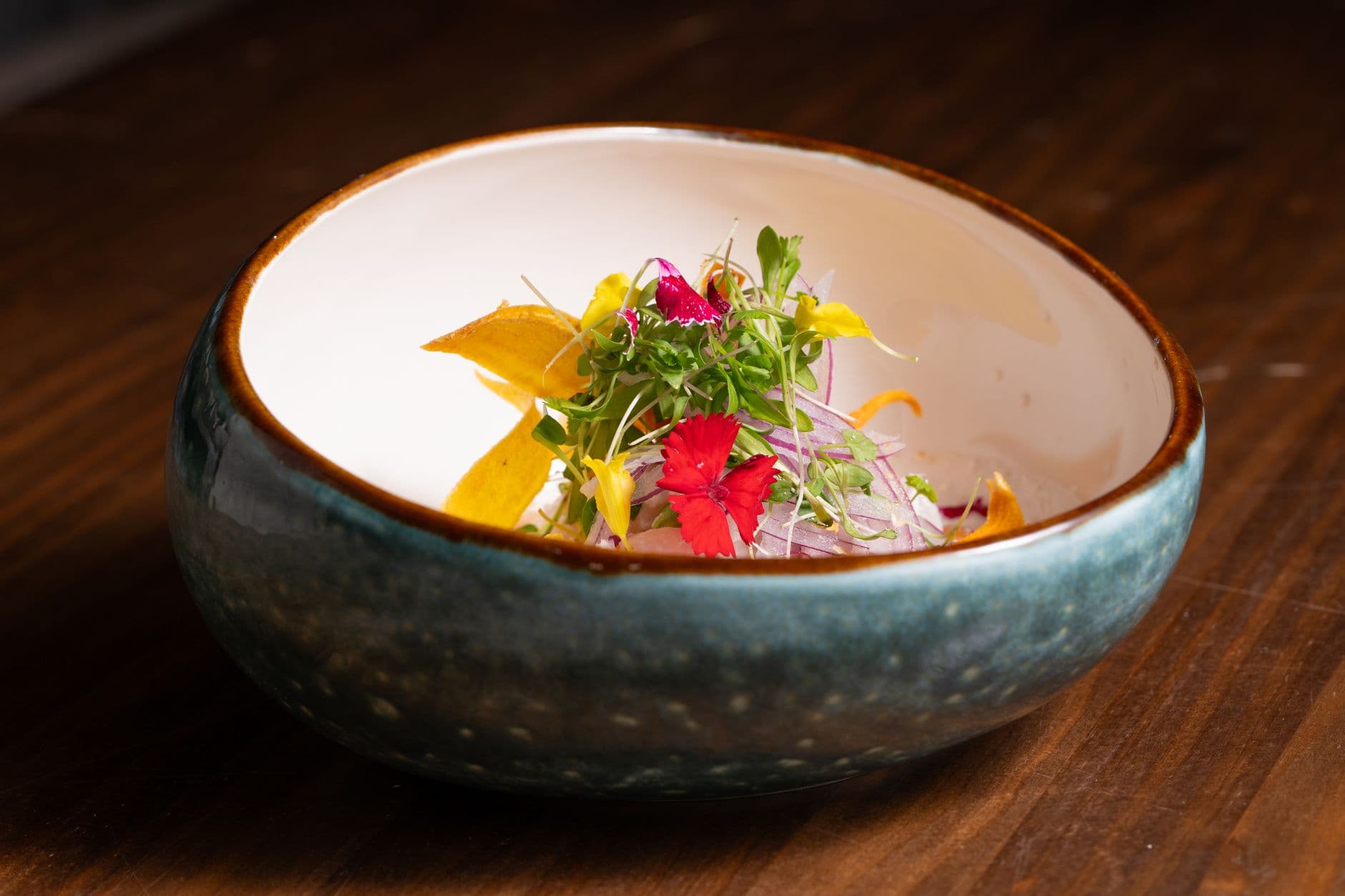
Both are nutrient-dense for their size. Sprouts are a good source of certain enzymes and protein relative to the dormant seed. Microgreens, grown longer and in light, develop more chlorophyll and, in many studies, higher concentrations of vitamins like C, E, and K and various antioxidants than either sprouts or the mature vegetable. If your goal is maximum flavor and color on the plate, microgreens win; if you want the fastest possible turnaround, sprouts are quicker.
Which should you grow at home?
For most home cooks, microgreens are the better project: lower risk, bigger flavor, more variety, and only a few more days of waiting. They are also more forgiving — our step-by-step growing guide gets a first tray going in about ten days. For the full picture on varieties, uses, and buying fresh, see the complete microgreens guide.
Frequently asked questions
Are microgreens safer than sprouts?
Generally yes. You eat sprouts whole, including the seed and root grown in warm water — conditions friendlier to bacteria. Microgreens are cut above the root, grown in light with more airflow, and carry a lower (not zero) risk.
Are pea shoots a sprout or a microgreen?
Pea shoots are microgreens (sometimes grown a little longer into "shoots"). They are grown in light and harvested above the root, not eaten seed-and-all like a sprout.
Can you eat microgreen roots?
You generally don't — harvest by cutting the stem above the soil so the root stays behind. That is part of what makes them lower-risk than sprouts.
Share this article